The Red Centre was always going to be one of the big parts of our lap around Australia.
Uluru, Kata Tjuṯa and Kings Canyon are places we'd seen in photos countless times, but actually driving into Central Australia and seeing them for ourselves was something completely different.
We ended up spending nearly three weeks exploring the region. Rather than rushing from one major attraction to the next, we had time to do the walks, take part in some of the cultural experiences, enjoy a few sunsets, have slower days around camp and actually take in where we were.
Coming in after the Flinders Ranges and the Oodnadatta Track made the journey into the Red Centre even better. The further north we travelled, the more the landscape changed into the red dirt, open country and massive skies Central Australia is known for.
Arriving in the Red Centre
Our journey into the Red Centre came after travelling through the Flinders Ranges and along the Oodnadatta Track.
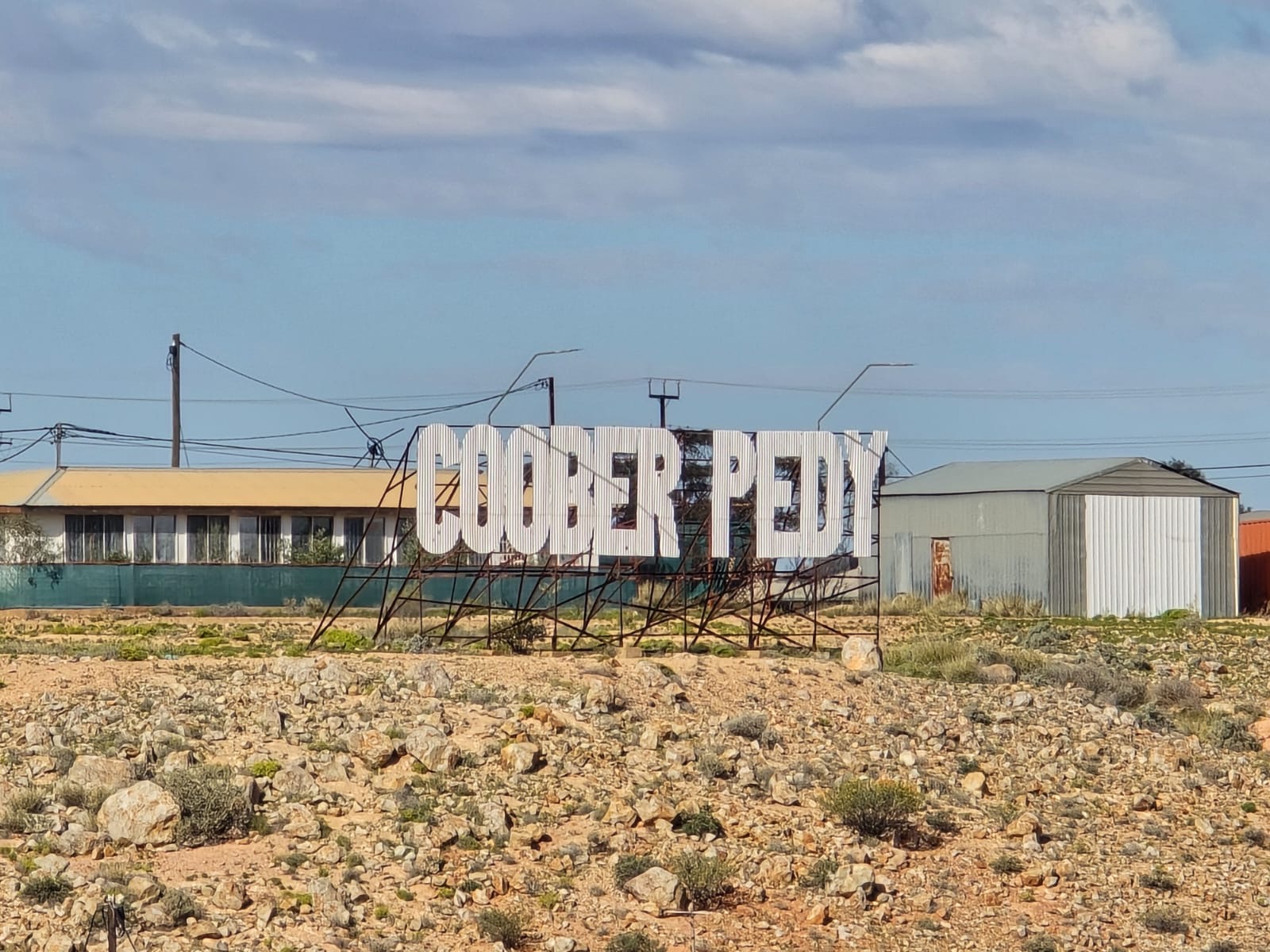
We continued north through the outback, passing through Coober Pedy for fuel before eventually reaching Curtin Springs.
At this point, it really started to feel like we had arrived in Central Australia.
Long stretches of road disappeared towards the horizon, the country opened right up and those huge red landscapes became part of the drive.
Curtin Springs
Before heading into Yulara, we stopped at Curtin Springs.
Located around 85 kilometres from Uluru, it was a good place to stop, get organised and slow things down before heading into the main part of our Red Centre stay.
There's fuel, food, accommodation and camping available, making it a handy stop whether you're heading towards Uluru or continuing through Central Australia.
The kids also made friends with one of the local cockatoos, which quickly became known to us as "Peek-a-Boo".
From Curtin Springs, it was an easy run into Yulara.
Staying at Yulara
We based ourselves at Ayers Rock Campground while exploring Uluru and Kata Tjuṯa.
We ended up staying nine nights, which gave us plenty of time to explore without having to cram everything into a couple of days.
The campground worked well for us. The amenities were good, everything around Yulara was easy to access and there was plenty happening around the resort area between our bigger days out.
Having that extra time also meant we could work around the weather, mix the longer walks with easier days and head back out to Uluru whenever we felt like it.
Seeing Uluru for the First Time
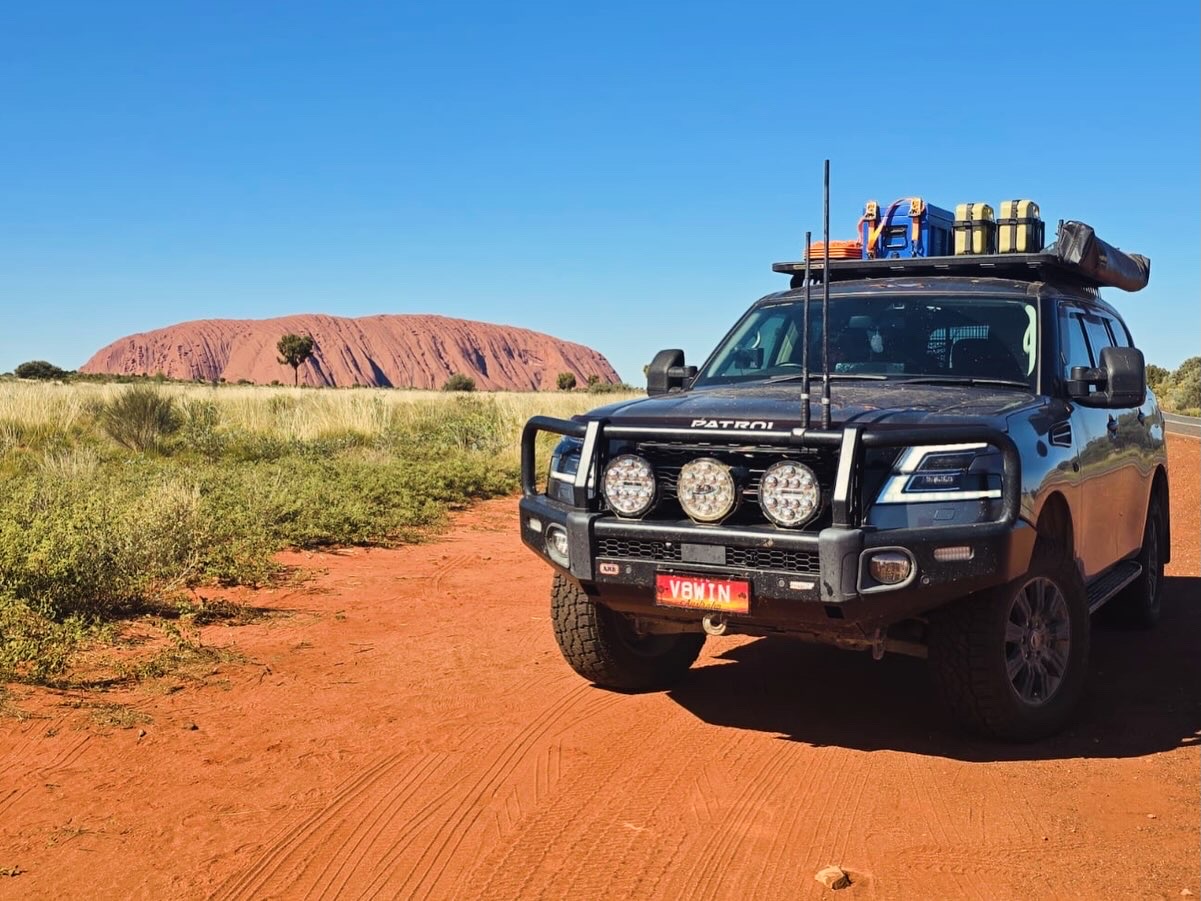
No matter how many photos you've seen, seeing Uluru in person is completely different.
It dominates the landscape well before you get close to it, and the scale becomes even more impressive once you start exploring around the base.
One of the first things we wanted to do was see it at sunset.
We ended up heading out for sunset more than once during our stay. The colours and light change constantly depending on the conditions, so it never really looks exactly the same twice.
It's easy to understand why sunset is such a popular time to be out there.
Walking Around Uluru
One of our biggest days was completing the full Uluru Base Walk.
Walking around the base gives you a completely different perspective compared with seeing Uluru from the road or the main viewing areas.
There are caves, waterholes and sections of the rock you simply don't appreciate from a distance, and the walk really gives you an idea of just how enormous Uluru is.
We also explored the Mala Walk and spent time learning more about the cultural significance of the area.
There are culturally sensitive areas around Uluru where photography is restricted. These areas are clearly signed and whenever we reached them the cameras went away.
It was important to us that we could document our trip while still respecting the rules and cultural significance of the places we were visiting.
Learning More About Anangu Culture
One of the benefits of staying longer was having time to do more than just visit the major landmarks.
We spent time at the Cultural Centre and joined activities and presentations where we learnt more about Anangu culture, traditional foods, tools and weapons.
The kids also took part in rock painting activities, and we attended a didgeridoo presentation where Quin joined in using clapsticks.
Those experiences added another side to the visit.
Uluru is obviously incredible to look at, but learning more about its cultural importance gives you a much better understanding of the place you're actually visiting.
Field of Light
We also booked the Field of Light experience.
Thousands of lights spread across the desert with Uluru in the background make it completely different from anything else in the area.
It is obviously a much more modern attraction compared with the natural and cultural experiences around Uluru, but we enjoyed having something different to do at night.
Kata Tjuṯa
Kata Tjuṯa deserves its own time rather than being treated as a quick side trip from Uluru.
We drove out and completed the Walpa Gorge walk along with another longer walk of a few kilometres.
The landscape feels very different from Uluru.
The huge domes tower over the walking tracks and the scale of the place is hard to capture in photos.
If you're already travelling all the way to the Red Centre, we definitely wouldn't skip Kata Tjuṯa.
Slower Days Around Yulara
Not every day needed to be a major attraction.
Because we had nine nights in the area, we could mix the bigger walks and activities with swimming, wandering around Yulara, grabbing something to eat or simply having a slower day at camp.
We also caught the free resort bus, which loops around the Yulara resort area and makes getting between different sections easy.
One night we headed to the Outback Hotel for dinner and a few drinks.
Travelling full time, these quieter days are just as important as the big sightseeing days.
Heading to Kings Canyon
After Uluru, we continued through to Kings Canyon and stayed four nights at Discovery Resorts, Kings Canyon.
Kings Canyon had a completely different feel again.
Our biggest activity here was the Kings Canyon Rim Walk.
Kings Canyon Rim Walk
The Rim Walk starts with the famous climb of roughly 500 steps.
It sounds worse than it is.
Once you get through the initial climb, the walk opens up across the top of the canyon with massive sandstone formations, cliff edges and views across the surrounding country.
The Garden of Eden section sits down inside the canyon and is one of the highlights of the walk.
We took our time and enjoyed it rather than trying to smash through it as quickly as possible.
The kids handled the walk well and it ended up being one of the best hikes we had done on the trip so far.
Kings Creek Walk
We also completed the shorter Kings Creek Walk through the bottom of the canyon.
It gives you another perspective of the towering walls above and is a good option for anyone who doesn't want to tackle the full Rim Walk.
Doing both walks was worthwhile because they show completely different sides of Kings Canyon.
Sunset, Live Music and Dinner
One evening we grabbed a drink and watched the sunset overlooking Kings Canyon while listening to live music.
We also had dinner at the Kings Canyon Bar & Grill during our stay.
After several weeks of outback roads and camps, having a meal out and sitting back for the evening was a pretty good way to finish the day.
How Long Should You Spend in the Red Centre?
For us, nearly three weeks worked really well.
Having that amount of time gave us the chance to explore without feeling like every day had to be packed. We could do the longer walks, take part in the activities we wanted to do and still have quieter days in between.
If we were planning this part of the trip again, we'd still choose to do it slowly.
There's far more to the Red Centre than simply arriving at Uluru, taking a photo and moving on.
Our Red Centre Highlights
It's difficult to pick one highlight.
Completing the Uluru Base Walk, exploring Kata Tjuṯa and tackling the Kings Canyon Rim Walk were all right up there.
Learning more about Anangu culture gave us a better understanding of the area, while the sunsets, outback drives and quieter days became just as much a part of the experience.
We spent nearly three weeks in the area, but we certainly didn't try to see everything the Northern Territory has to offer.
This time around, our Red Centre travels were mainly focused on Curtin Springs, Uluru, Kata Tjuṯa and Kings Canyon. We knew we'd be coming back through the NT next year, so there was no need to try and squeeze everything into this part of the lap.
There's still plenty more of the Territory waiting for us.
For now, this was a pretty good introduction!
Good to Know Before You Go
A few extra things worth knowing if you're planning your own Red Centre trip:
- National park entry: Uluru–Kata Tjuṯa National Park requires a park pass, which you can buy online or at the entry station. It's worth sorting before you arrive in peak season.
- Climbing Uluru is closed: The climb closed permanently in 2019. The Base Walk is the way to experience it, and honestly it's far better anyway.
- Respect the signs: Photography is restricted in culturally sensitive areas around Uluru. The signs are clear — when you reach them, put the cameras away.
- Distances: Uluru is only about 20 minutes from Yulara, Kata Tjuṯa is roughly 45 minutes, and Kings Canyon is around 300 kilometres — plan the better part of a day for the drive between Yulara and Kings Canyon.
- Fuel and supplies: Fuel is available at Yulara and Kings Canyon Resort, but it pays to top up whenever you can in Central Australia. Prices are higher the further you get from the highway.
- Best time to visit: The cooler months between May and September are the most comfortable for walking. Summer in Central Australia is extremely hot, and some walks can close in high temperatures.
- Start the Rim Walk early: The 500 steps at the start of the Kings Canyon Rim Walk are much more enjoyable in the cool of the morning, and the signage recommends direction and timing for good reason.
- Book ahead in peak season: Field of Light, campground sites and tours can book out during school holidays and the winter peak — lock in what matters most to you early.
- Water and sun protection: Even in cooler months the sun is fierce out here. Carry more water than you think you need on every walk.