
Australian Salmon
Salmon, Bay Trout (juvenile), Salmon Trout
Arripis truttacea / Arripis trutta
Overview
Australian Salmon are one of South Australia's most accessible sportfish, crashing through surf gutters, beaches and gulf channels in big schools. They hit lures and baits hard, pull hard on light gear, and are caught from the beach, rocks and boat — with the smaller 'bay trout' juveniles great fun for kids.
Quick Info
Identification
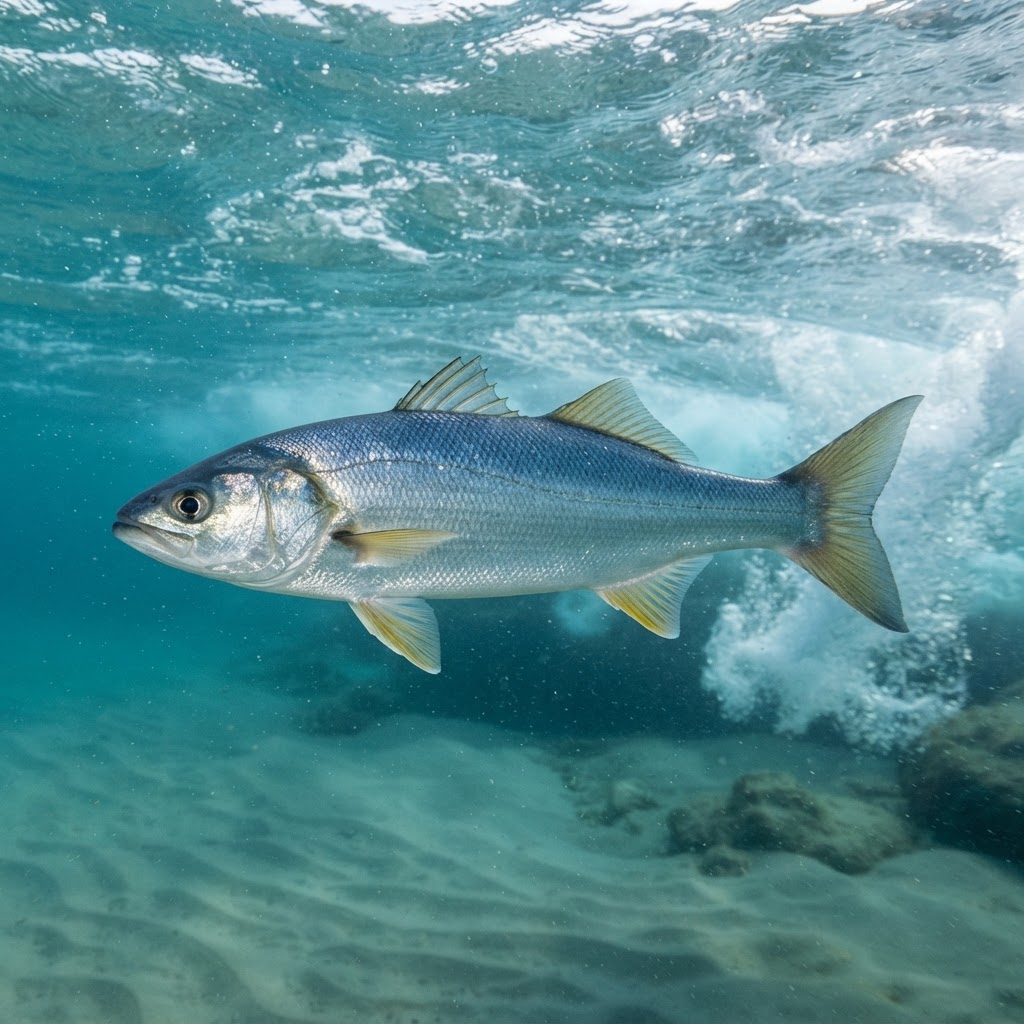
A powerful, deep-bodied silver fish with a blue-green back and yellow-tinged pectoral fins. Western Australian Salmon grow much larger than the smaller 'bay trout' juveniles.
Deep, slab-sided body, silvery flanks, faint dark spots along the upper back, yellowish fins, and a strong tail wrist — bigger salmon are unmistakably powerful in the surf.
Juvenile salmon ('bay trout') can be confused with Tommy Ruff — salmon juveniles are deeper-bodied with a larger eye, while Tommy Ruff carry the spotted flanks. Adult salmon are unmistakable.
Where to Find Them
Typical depth: 0-15 m
Fishing environments: Shore, Boat, Jetty
When to Fish
How to Catch Them
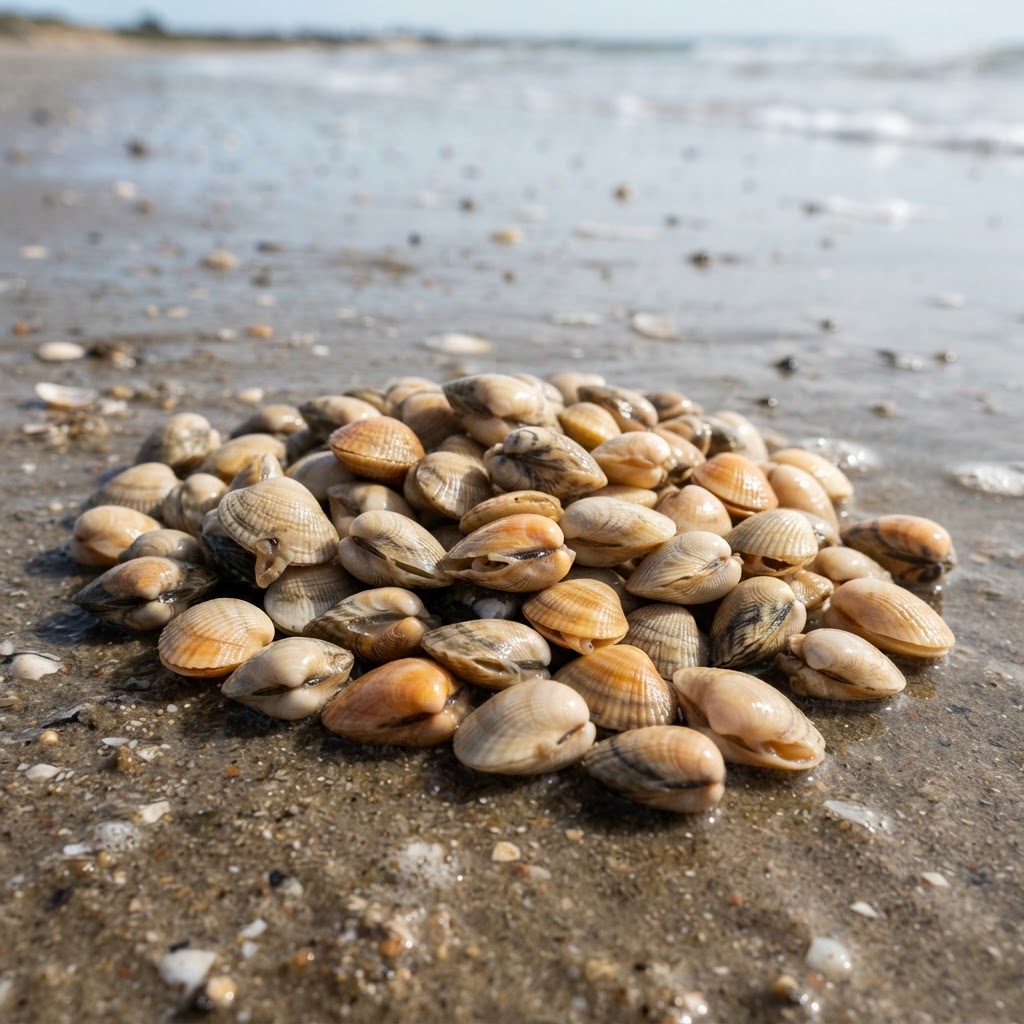
From the beach, cast a small paternoster or running sinker rig with a pipi or fish strip into a gutter and hold on. On lures, cast small metals into working birds and retrieve fast through the bust-up. Berley brings juvenile bay trout in close at jetties and rock walls.
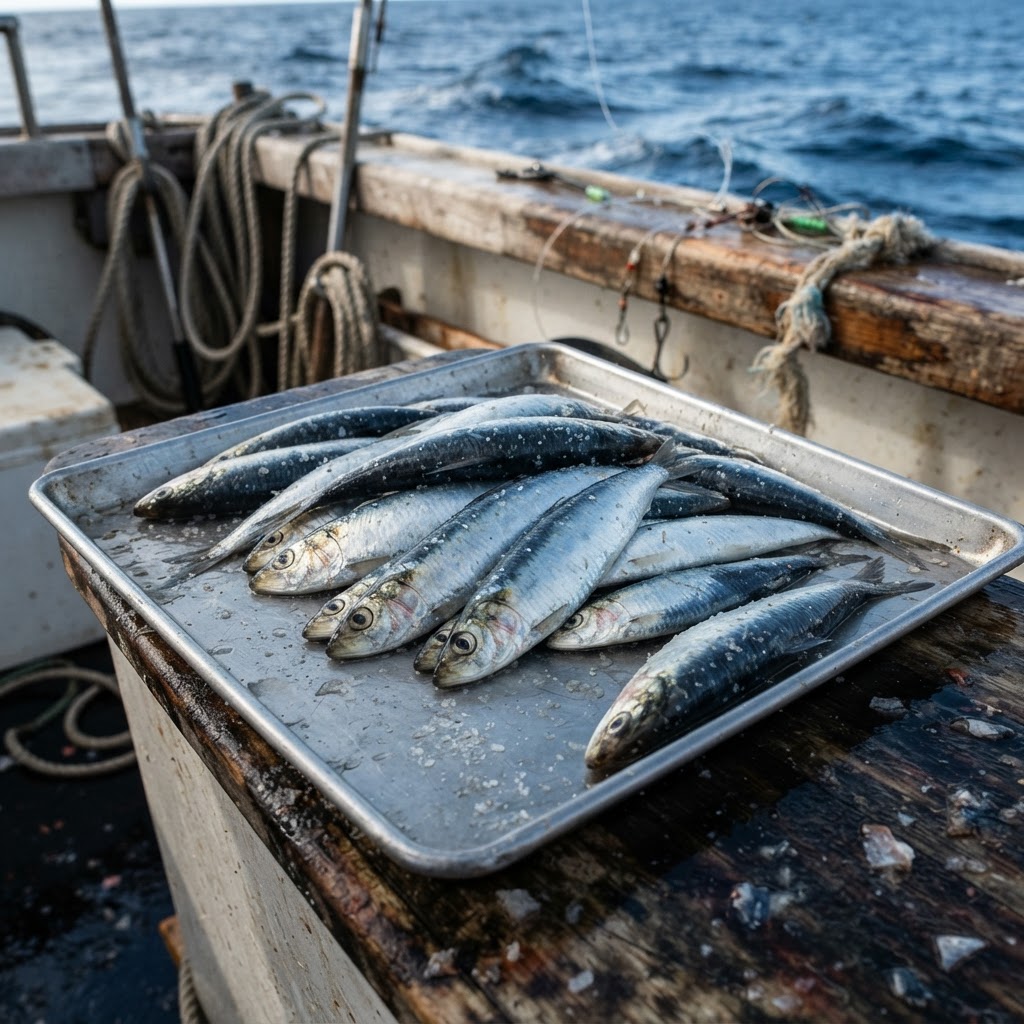
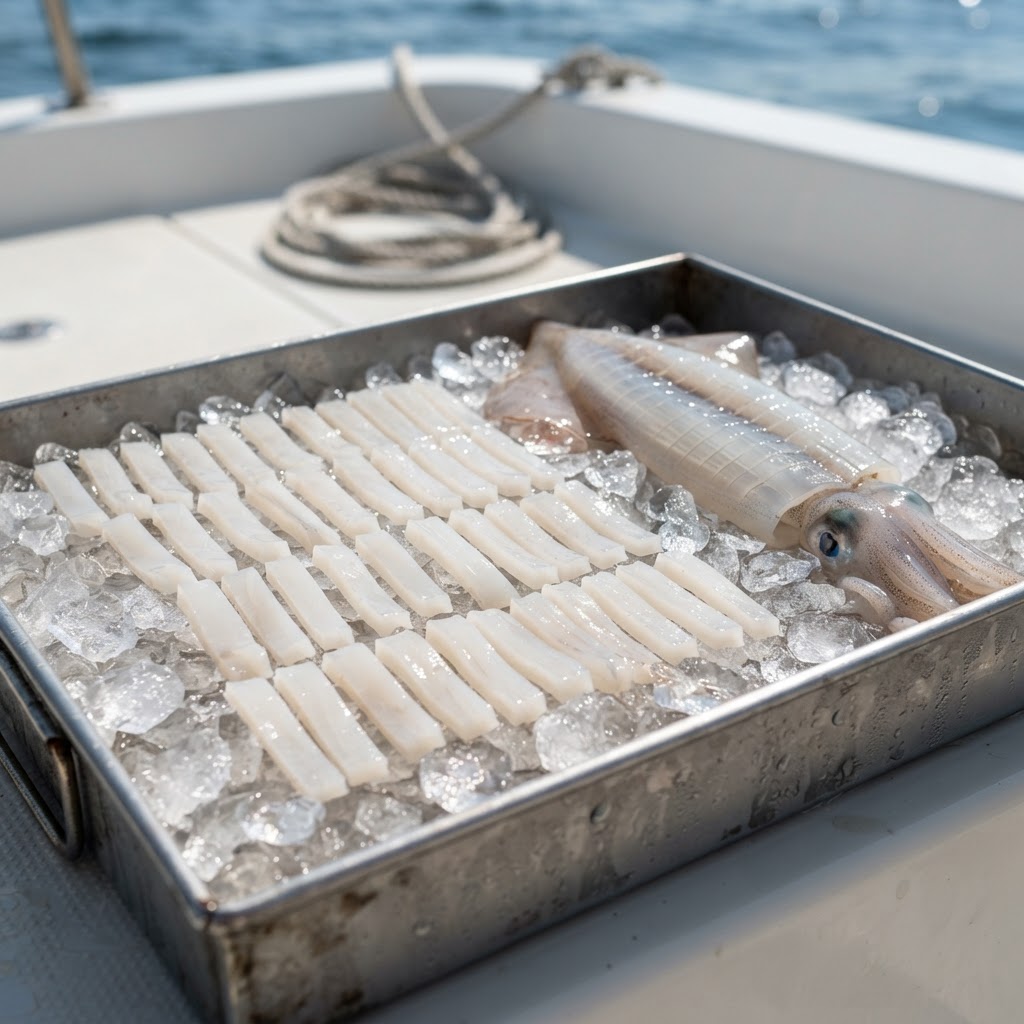
A fresh strip of fish or whole whitebait on a small hook for bay trout; whole pilchards or large fish strips on ganged hooks for the big western salmon in the surf.
Fast and steady for metals through surface-feeding schools — salmon love a lure skipping away at speed; slow down only if fish are following.
A solid thump and instant weight — salmon hit hard and run hard, especially bigger fish in the surf.
Simply lift into the weight — salmon hook themselves on bait; on lures keep winding through the strike with a firm sweep.
Look for diving birds and white water, cast into the wash, and use fresh bait. Bay trout under a jetty berley trail are the perfect first fish for kids.
Tackle too light for big salmon in the surf, casting past the fish when they are busting up close in, and not berleying when fishing for juveniles from jetties.
Best Baits
Rigs & Gear
A simple but devastating setup — a small metal slice lure cast hard and retrieved fast through busting fish. This is how salmon, snook, trevally and tommy ruff get caught from beaches, jetties and boats all over South Australia.
A whole pilchard threaded onto a string of ganged hooks — the classic rig for presenting a natural, fish-shaped bait that hooks salmon, mulloway and sharks wherever they strike the bait along its length.
A heavy-duty paternoster built for the surf — a star or grapnel sinker holds the bottom in the wash while one or two baits sit up off the sand in the gutter. The standard rig for salmon, mulloway and gummy sharks off South Australian beaches.
A versatile and highly effective rig for King George Whiting and many other species.
Current SA Fishing Rules
CURRENT SA FISHING RULES
Method: Total length
Measured at: Measured from the tip of the snout to the tip of the tail.
Always check current regulations before fishing. Fishing rules and closures can change.
Keeping Your Catch
Wet hands and support the body — salmon are hardy and make great fun catches on light gear, but handle keepers for the table quickly.
If keeping salmon, dispatch and bleed them promptly — the flesh is firm and best treated like a strong-flavoured table fish.
Ice slurry immediately; salmon flesh improves markedly once well chilled.
Cleaning & Filleting
Gut, scale and rinse. Larger fish can be bled and then filleted into chunky boneless cuts.
Salmon fillet like a large tailor — follow the backbone, then cut the fillets into thicker sections; pin bones are minimal.
Skin is tough and scales well; leave on for crumbing or grilling.
Few pin bones in the fillet; the rib cage and collar carry most of the bone.
Cooking
Strong-flavoured flesh suits bold cooking — crumb and deep-fry, smoke it, or make salmon patties and fish curries. Freshly bled and well-iced fish are far better on the plate.
Where to Catch Them in SA
Best here: Autumn - Winter
Best here: Autumn - Winter
Best here: Autumn - Winter
Best here: Autumn - Winter
Best here: Autumn - Winter
Best here: Autumn - Winter
Best here: Autumn - Winter
Best here: Autumn - Winter
Best here: Autumn - Winter
Best here: Autumn - Winter
Best here: Autumn - Winter
Best here: Autumn - Winter
Best here: Autumn - Winter
Best here: Autumn - Winter
Best here: Autumn - Winter
Best here: Autumn - Winter
Best here: Autumn - Winter
Best here: Autumn - Winter
Best here: Autumn - Winter
Best here: Autumn - Winter
Best here: Autumn - Winter
Best here: Autumn - Winter
Best here: Spring - Autumn
Best here: Autumn - Spring
Best here: Autumn - Winter
Best here: Autumn - Winter

A4GW CREW
Get the good stuff from A4GW straight to your inbox.
No spam. Unsubscribe anytime.