Soft Plastic Jighead Setup
A jighead with a soft plastic threaded on — the most versatile lure setup in fishing, worked slowly along the bottom for bream, flathead and snapper with a natural, bait-like action.
Best For


You'll Need
Step-by-Step Instructions
Choose a jighead weight for the depth and current — 1/8 oz for shallow bream water, 1/4–1/2 oz for deeper channels and snapper ground.
Thread the soft plastic onto the jighead so it sits straight along the hook shank; check it does not bunch.
Tie the jighead to your fluorocarbon leader with a loop or uni knot so the plastic swims freely.
Attach the leader to your braid main line with an FG or double-uni knot.
Cast out, let it sink to the bottom, and you're ready to work it.
Cast, let the plastic sink, then work it with small lifts and long pauses — the plastic hops off the bottom and flutters back down, where most strikes come as it falls. Keep the rod tip low and watch the line for subtle taps. Vary the retrieve until you find what the fish want.
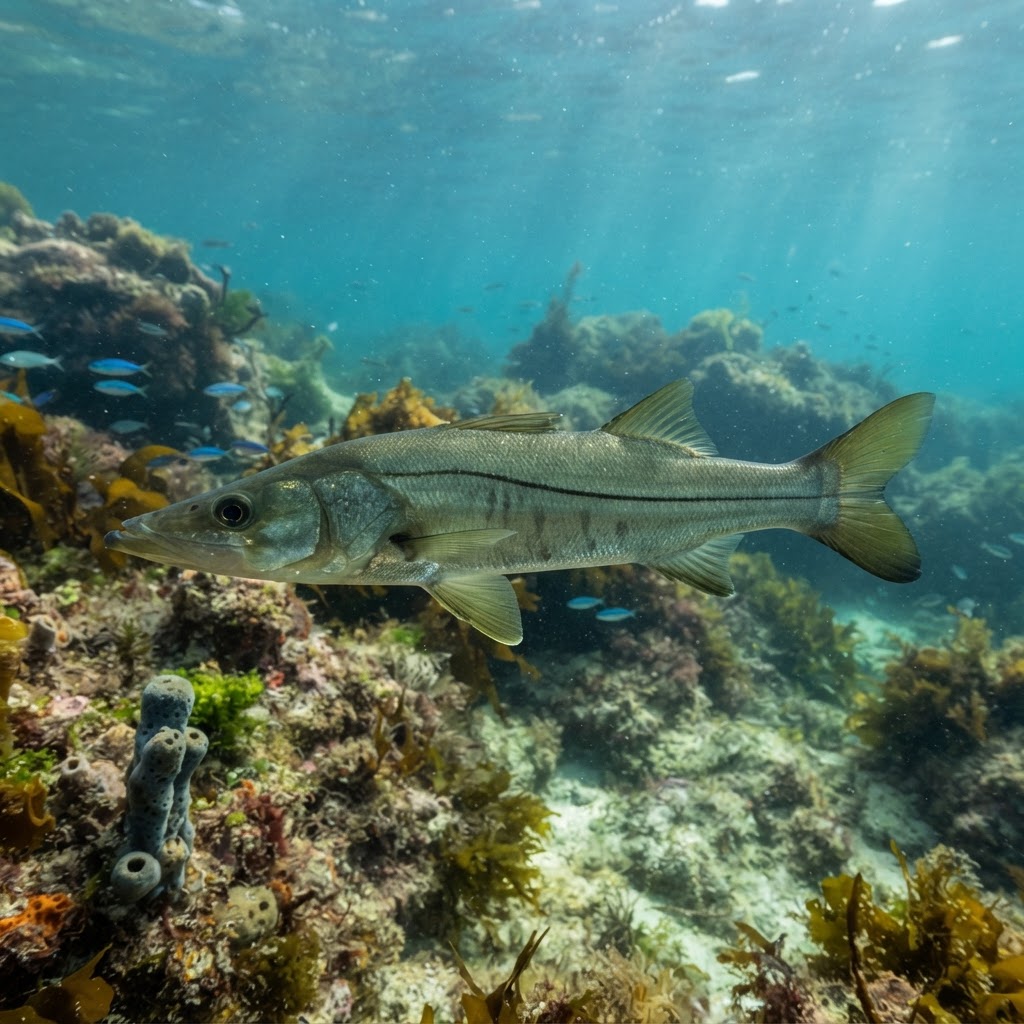
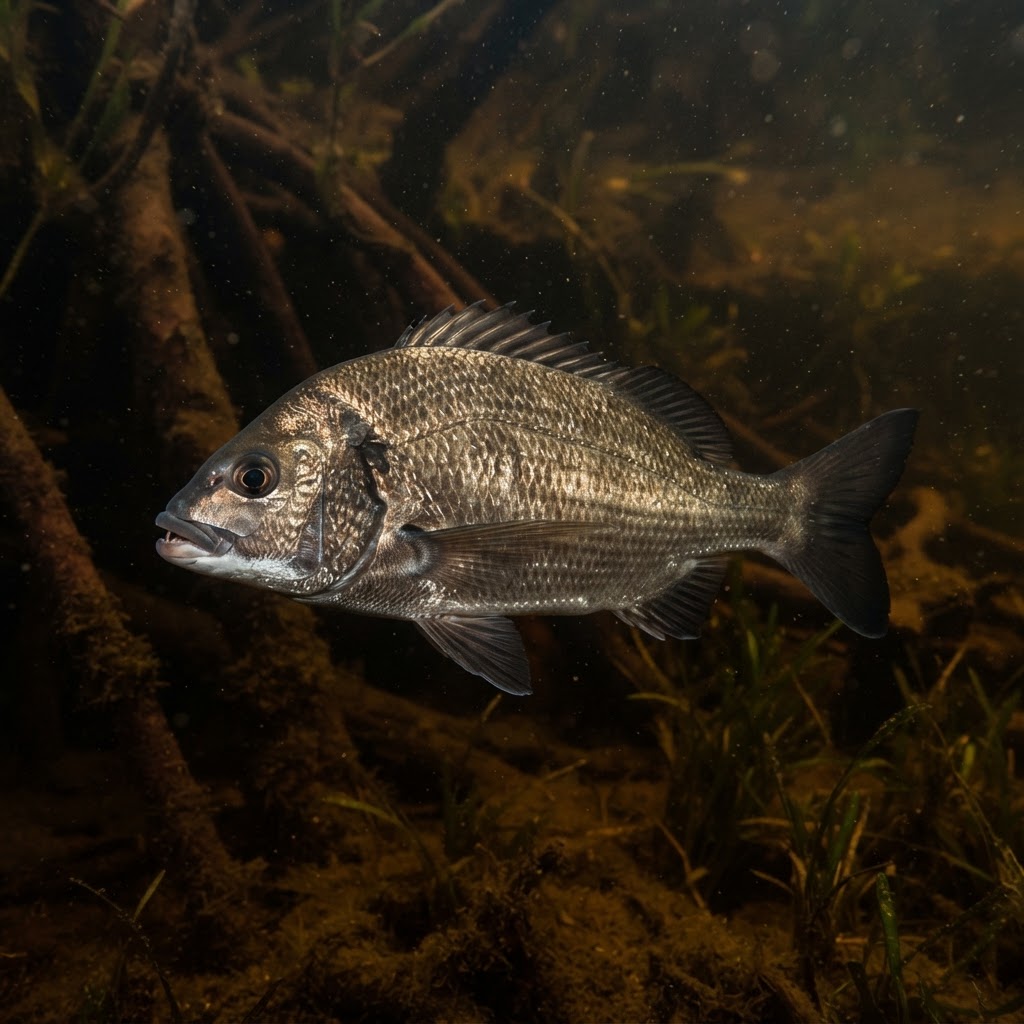
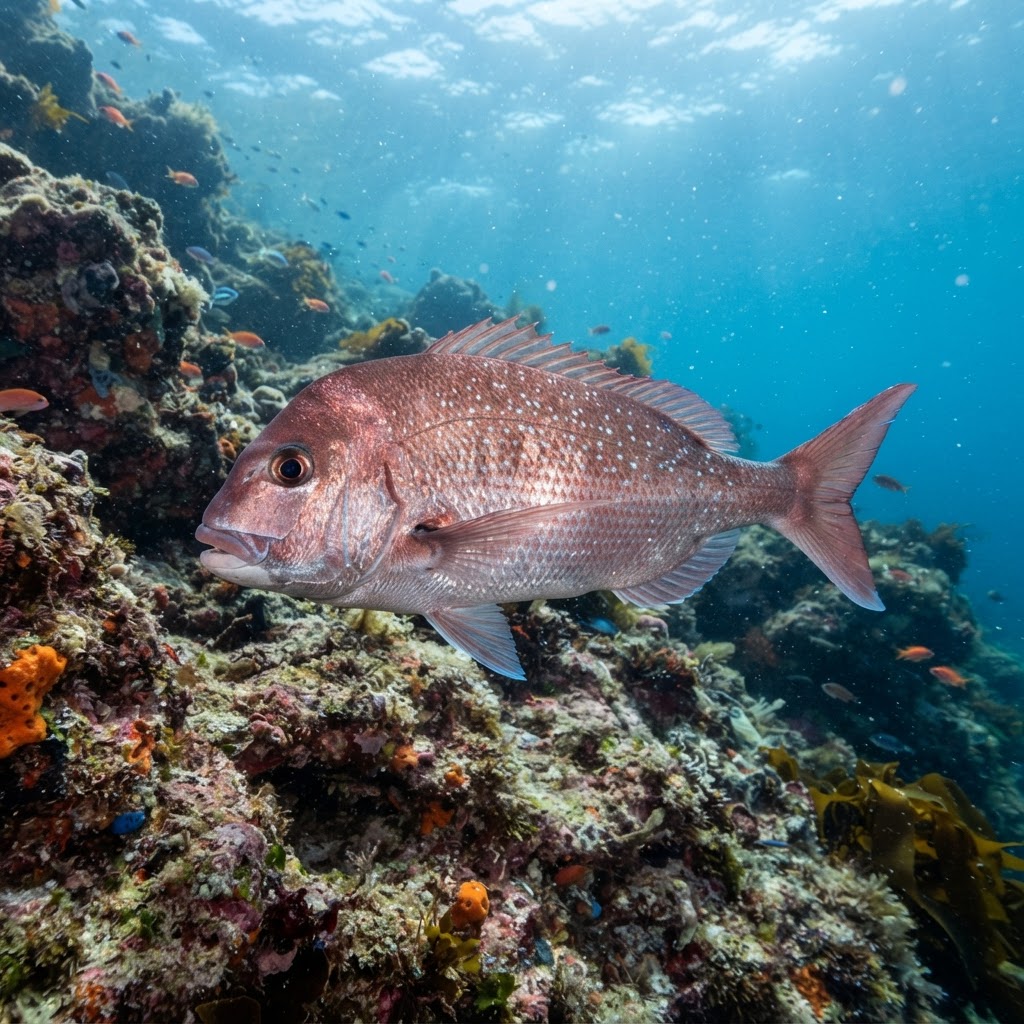
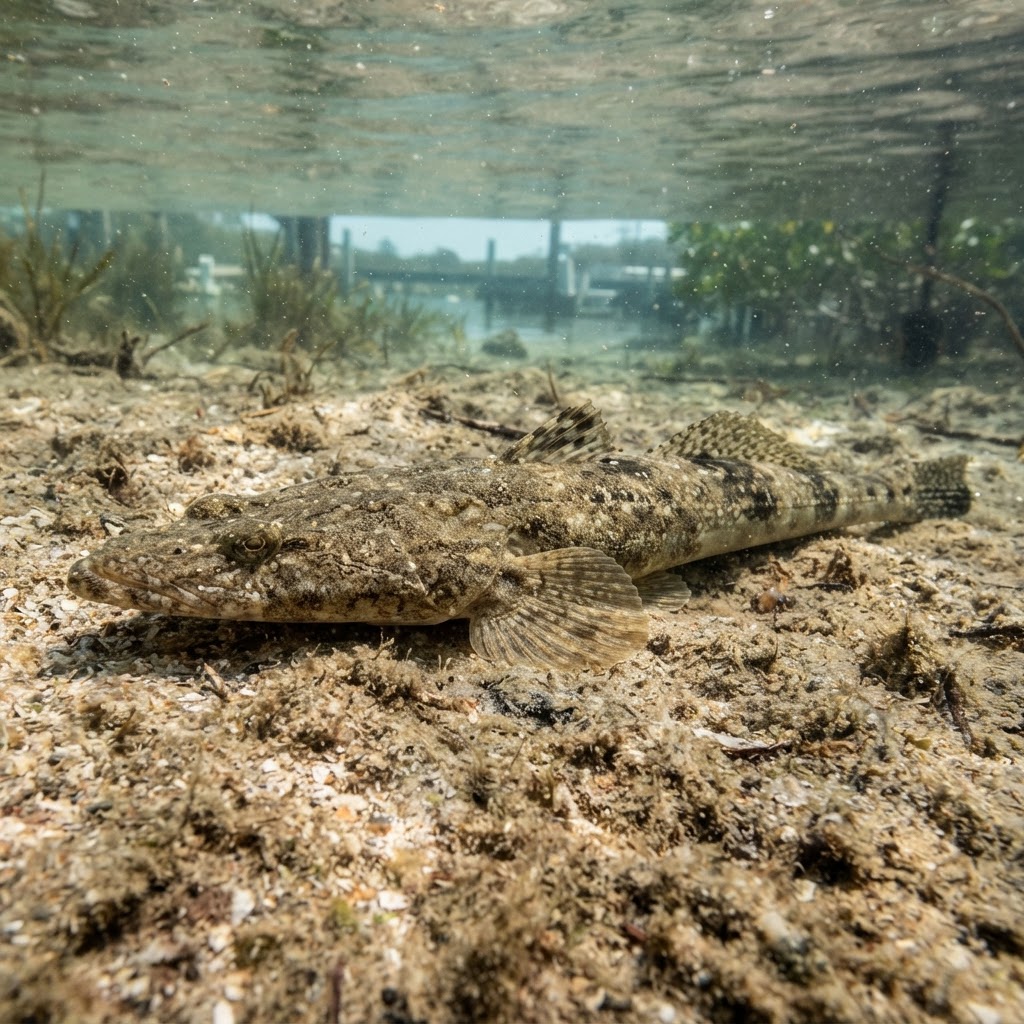
All-purpose lure fishing for bream in estuaries, flathead in channels, snapper over reef and snook along seagrass edges — any time fish are feeding near the bottom and you want a natural, slow presentation.
Unweighted weedless plastics for shallow snaggy water; heavier jigheads for deep snapper drifts; paddle-tail plastics with a faster rolling retrieve for flathead; tiny grubs and prawn imitations for bream.
Jigheads too heavy (the plastic ploughs into the bottom), working the lure too fast, and not staying in contact with the lure on the drop — most bites come as the plastic sinks.

A4GW CREW
Get the good stuff from A4GW straight to your inbox.
No spam. Unsubscribe anytime.