
Black Bream
Bream, Southern Black Bream
Acanthopagrus butcheri
Overview
Black Bream are the classic South Australian estuary fish, holding in tannin-stained rivers, creeks and tidal channels around snags and deep holes. They are wary, fight hard for their size on light gear, and reward lure anglers and bait fishers alike with sweet white fillets.
Quick Info
Identification
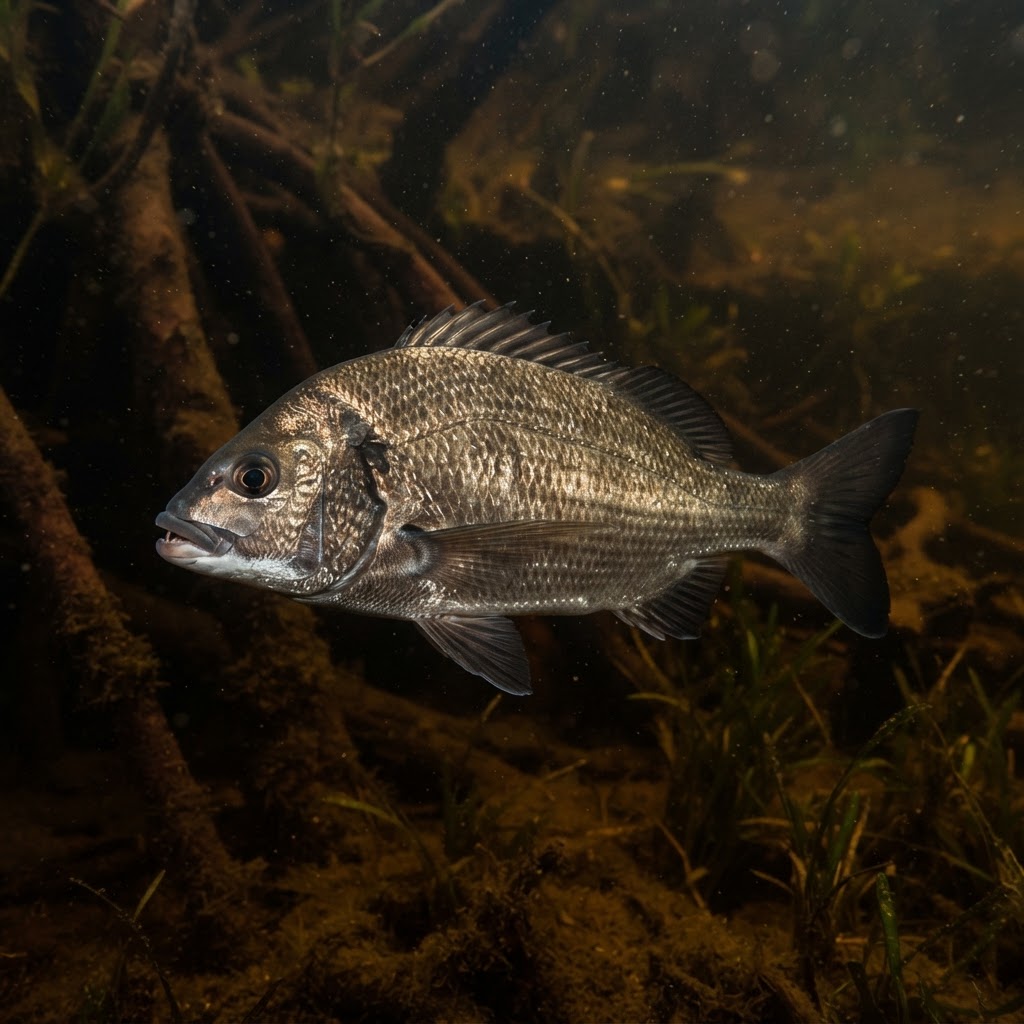
A deep-bodied, silvery-bronze to dark grey bream with strong jaws, large scales and dark fins. Fish from tannin-stained waters often appear almost black.
Deep body, blunt head, strong crushing teeth in the jaws, dark grey to bronze colouring, and a single continuous dorsal fin.
Yellowfin Bream occur on the east coast — in SA estuaries nearly all bream are Black Bream. Smaller silver sea bream species are easily told apart by habitat and colouring.
Where to Find Them
Typical depth: 0.5-8 m
Fishing environments: Shore, Boat
When to Fish
How to Catch Them
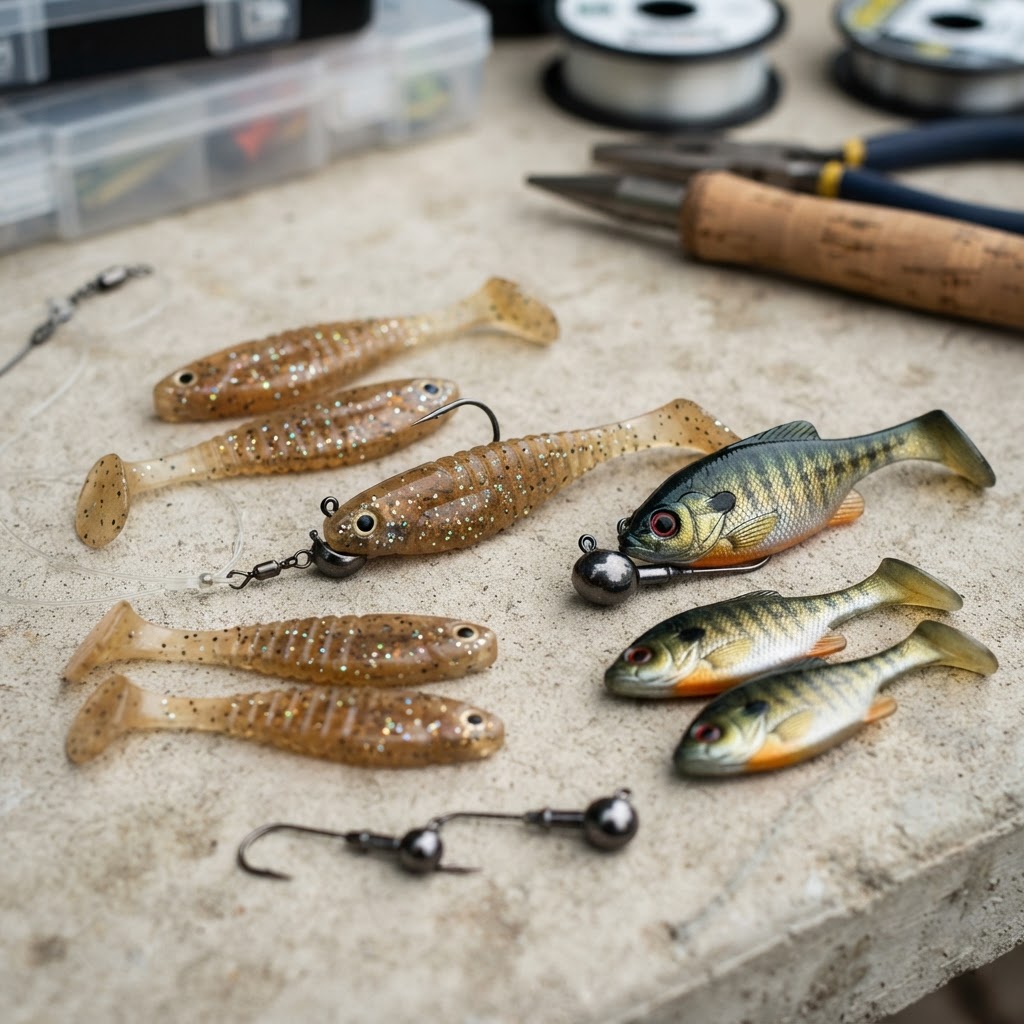
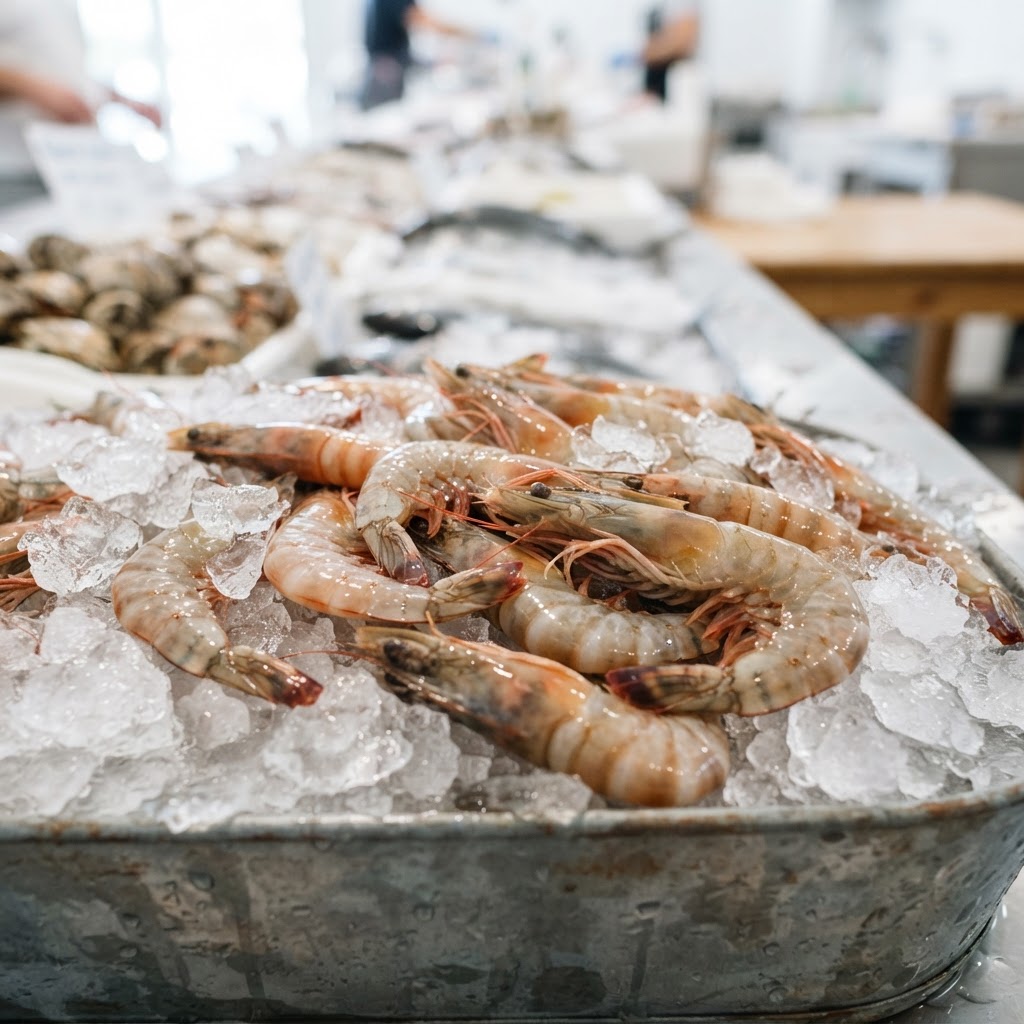
Cast soft plastics or small hard-bodied lures tight to snags and along channel edges, working them slowly with the current. On bait, fish a lightly weighted prawn or worm under a float or along the bottom of a deep hole.
Small, natural-coloured soft plastics worked slowly along the bottom; fresh prawn, worm or crab baits lightly weighted and drifted through likely holes.
Slow with pauses and tiny hops — bream are cautious; a plastic sitting still on the bottom often draws the strike.
A soft tap-tap that builds to weight — bream often mouth the bait; on lures the take is a solid tap followed by weight.
Feed a moment on bait, then lift firmly — bream mouths are tough; on lures, sweep into the weight with a confident strike.
Fish the low-light periods around snags and deep holes with fresh prawn or a small soft plastic. Keep quiet, use light line, and expect subtle bites — bream are more cautious than whiting.
Fishing too heavy, casting past the snags instead of tight to them, moving too fast, and striking too early on subtle bait bites.
Best Baits
Rigs & Gear
A jighead with a soft plastic threaded on — the most versatile lure setup in fishing, worked slowly along the bottom for bream, flathead and snapper with a natural, bait-like action.
The simplest and most natural presentation rig in fishing — a sinker that slides freely on the line so a fish can pick up the bait without feeling any weight. Perfect for finicky biters like whiting, bream and mullet.
Current SA Fishing Rules
CURRENT SA FISHING RULES
Method: Total length
Measured at: Measured from the tip of the snout to the tip of the tail.
Always check current regulations before fishing. Fishing rules and closures can change.
Keeping Your Catch
Support with wet hands and a lip grip — bream spines and gill plates are sharp; release undersize fish quickly.
If keeping bream, dispatch and bleed them before icing — the flesh firms up and stays white.
Ice slurry immediately; bream flesh is best fresh and well chilled.
Cleaning & Filleting
Scale and gut; bream scale easily. Fillet around the rib cage or cook whole.
Fillets come off cleanly along the backbone; cut around the rib cage, which carries most of the bone.
Skin is thick with tough scales; scale well or remove the skin for pan-frying.
A few pin bones in the fillet — feel for them and pull with pliers before cooking.
Cooking
Sweet, white and firm — crumb and deep-fry, pan-fry in butter, or steam whole with ginger. Smaller bream are superb cooked whole on the BBQ.
Where to Catch Them in SA
Middleton's beaches and small estuary produce mullet, salmon trout and mulloway, with King George Whiting in the calmer water and black bream in the estuary system.
Goolwa sits where the River Murray meets the sea - the Goolwa beaches are famous mulloway country, the river mouth and barrages produce mullet and salmon, and the Coorong holds bream (bream fishing is currently closed in the Lakes and Coorong).

A4GW CREW
Get the good stuff from A4GW straight to your inbox.
No spam. Unsubscribe anytime.