Flathead
Yank Flathead, Black Flathead
Platycephalus species
Overview
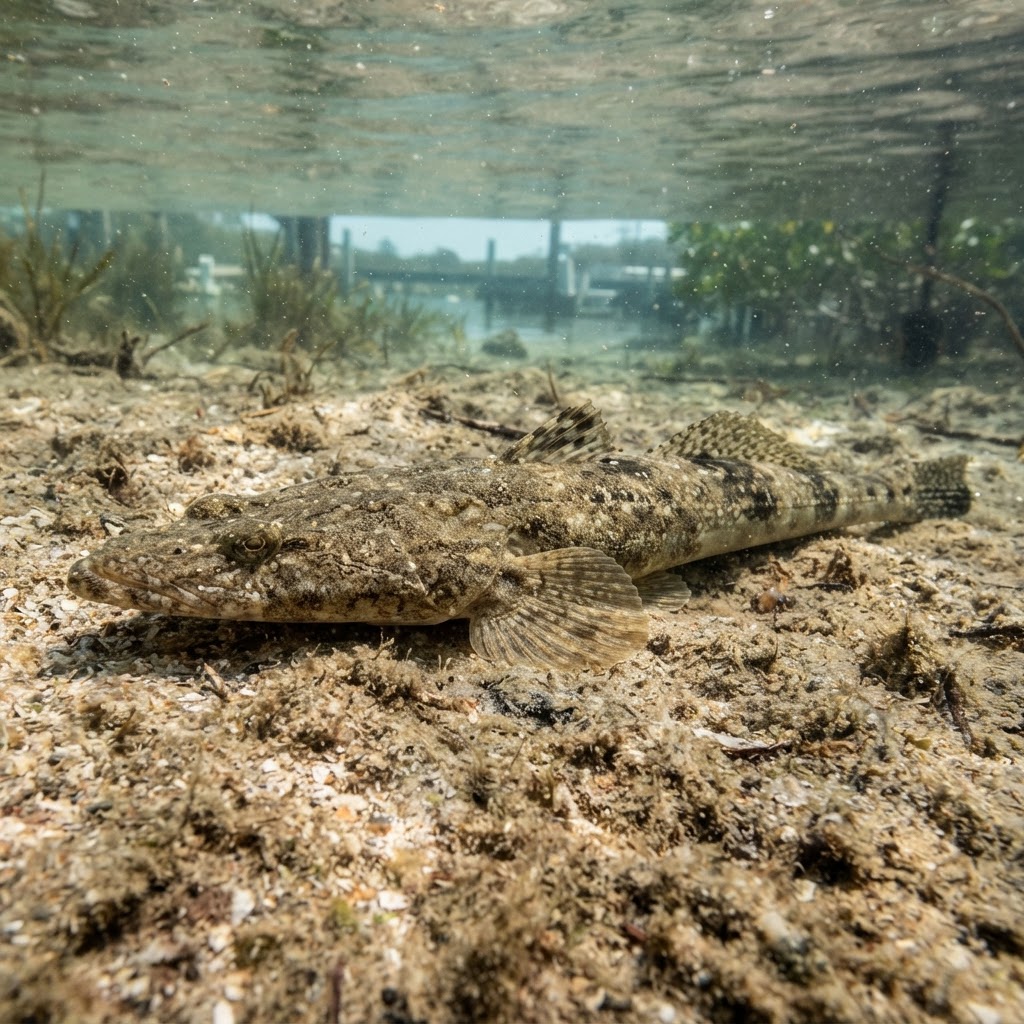
Flathead lie in ambush on sand and estuary channels and are an accessible, reliable catch across South Australia. They hit lures and baits readily, fight well for their size, and produce sweet, white, almost boneless fillets — a perfect species for beginners and lure anglers alike.
Quick Info
Identification
An ambush predator with a flattened, elongate body and a huge, cavernous mouth lined with sharp teeth. Colour varies from sandy-brown to dark grey with spots and blotches that match the bottom.
A flattened frog-like head, a body wider than it is tall, a large mouth with a prominent lower jaw and fang-like teeth, and dark spots or bars along the body and tail.
Southern Sand Flathead and Tiger Flathead are the main SA species — sand flathead dominate estuaries and gulf shallows while tiger flathead live offshore. Most estuary and jetty catches in SA are sand flathead.
Where to Find Them
Typical depth: 0.5–20 m
Fishing environments: Shore, Boat, Jetty
When to Fish
How to Catch Them
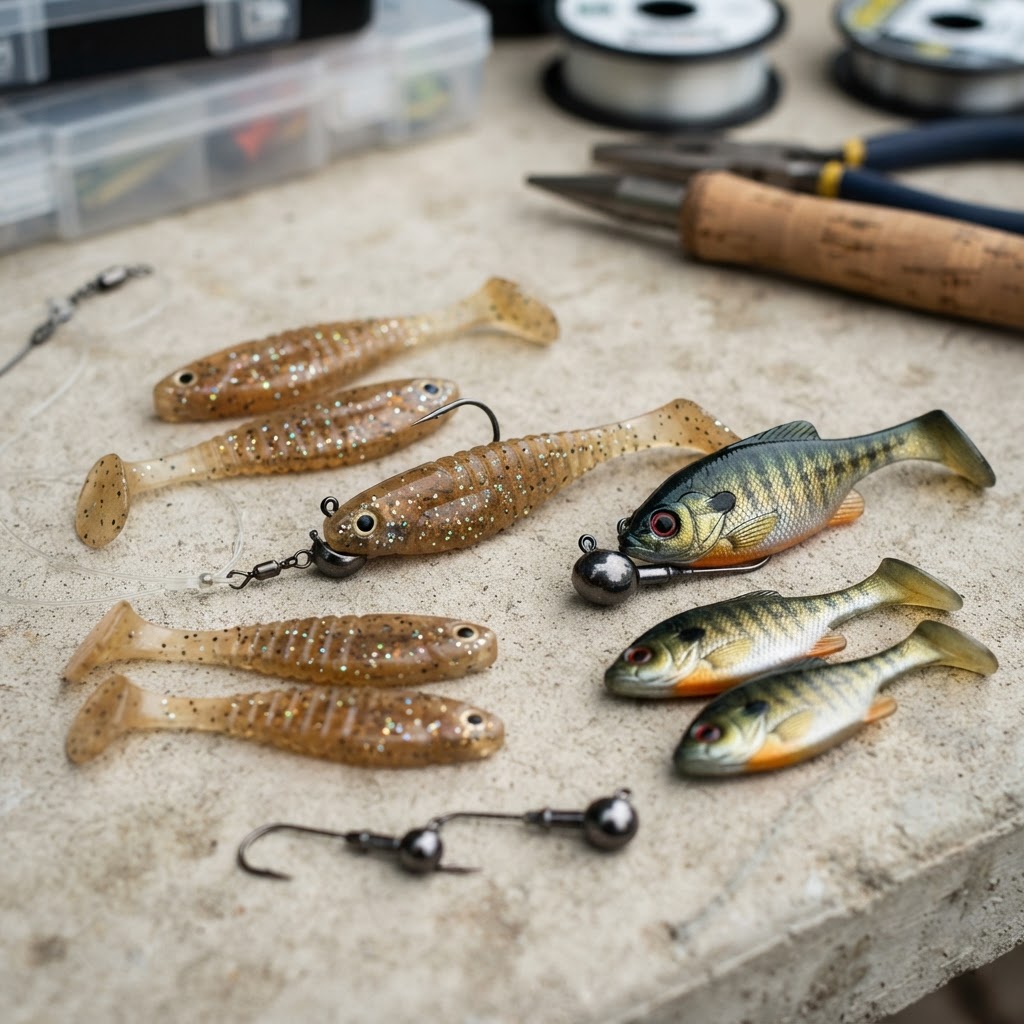
Cast soft plastics or small baits across sand flats, channels and drop-offs and work them slowly along the bottom. Flathead sit in ambush — a lure landed close and worked slowly in front of them is usually enough to draw the strike.
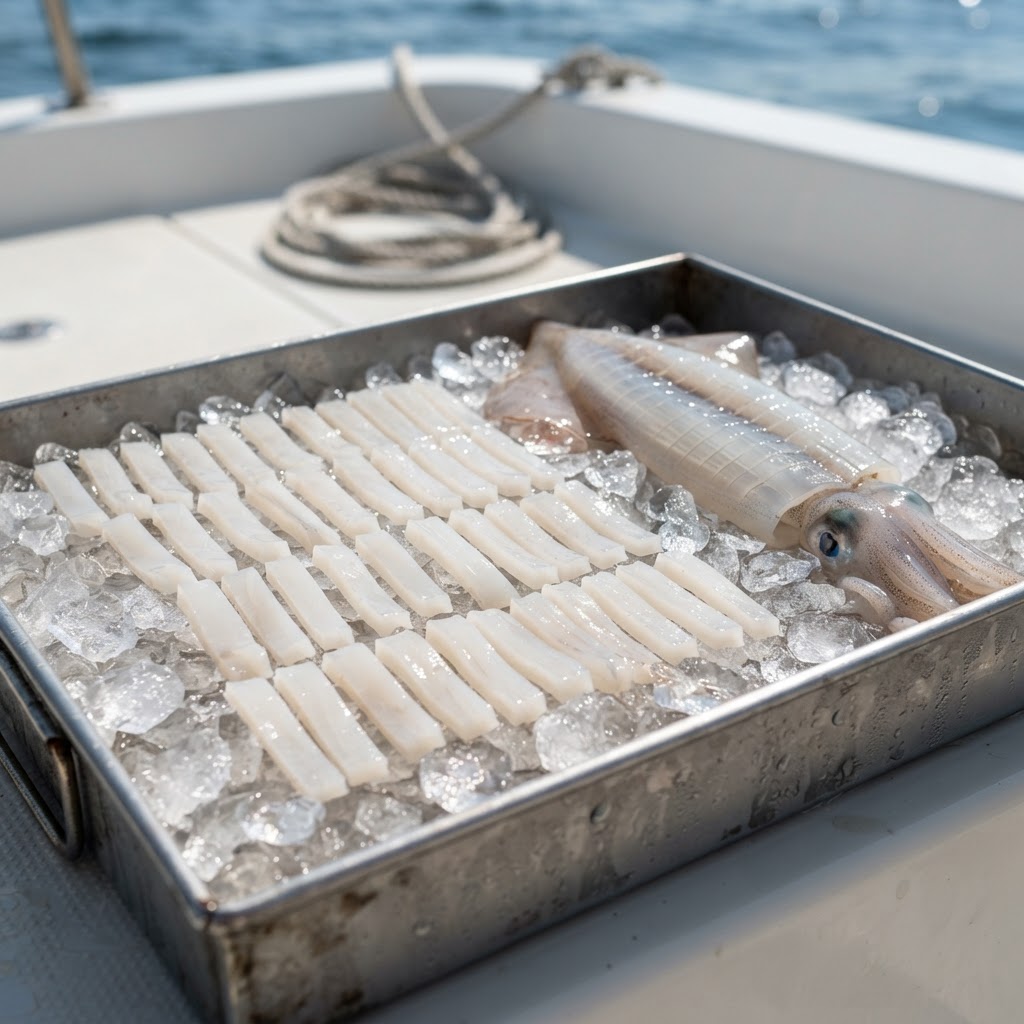
For soft plastics, a slow hop-and-glide along the bottom with long pauses; for bait, a small whole whitebait, prawn or fish strip drifted with the current along a channel edge.
Slow and low — long pauses with small hops. Flathead rarely chase anything moving fast; the strike usually comes on the pause.
A thump or sudden weight as the flathead inhales the lure or bait; on lures the take often comes while the plastic is sitting still on the bottom.
On lures, wait a beat after the thump, then sweep firmly — flathead mouths are bony and a hard strike pins the hooks. On bait, feed a moment, then strike.
Drift or walk a flat, casting to visible channels and drop-offs, and slow your retrieve right down. Flathead are everywhere in SA estuaries — steady casting and patience will find them.
Retrieving too fast, hooks and lures too small to pin a bony mouth, fishing open sand instead of channel edges and structure, and lifting fish by the line instead of a net.
Best Baits
Rigs & Gear
A jighead with a soft plastic threaded on — the most versatile lure setup in fishing, worked slowly along the bottom for bream, flathead and snapper with a natural, bait-like action.
The dedicated snapper rig — two snelled hooks on a long sliding leader with the sinker running free on the main line, so a suspicious red can mouth the bait and run without feeling any resistance.
The simplest and most natural presentation rig in fishing — a sinker that slides freely on the line so a fish can pick up the bait without feeling any weight. Perfect for finicky biters like whiting, bream and mullet.
A versatile and highly effective rig for King George Whiting and many other species.
Current SA Fishing Rules
CURRENT SA FISHING RULES
Method: Total length
Measured at: Measured from the tip of the snout to the tip of the tail.
Always check current regulations before fishing. Fishing rules and closures can change.
Keeping Your Catch
Grip behind the gill plates or use a lip grip — gill rakers and teeth are sharp. Support big fish with two hands and release quickly if not keeping.
If keeping flathead, dispatch with a firm spike and bleed them in a slurry — the flesh firms up and stays white.
Ice slurry immediately; flathead flesh stays firm and sweet when chilled quickly.
Cleaning & Filleting
Gut and scale; flathead scale very easily. A simple approach is to fillet both sides and skin the fillet.
Fillets come away cleanly along the backbone. Skin the fillet by holding the tail and working the knife between skin and flesh.
Skin is easily scaled and can be left on for crumbing; most cooks remove it for pan-frying.
Fillets are nearly bone-free — a few pin bones near the head can be felt and removed with pliers.
Cooking
Crumb or flour and pan-fry in butter until golden — flathead fillets are sweet, white and virtually boneless. Whole smaller fish are superb grilled or deep-fried.
Where to Catch Them in SA
Coffin Bay is one of South Australia's premier fishing destinations — a sheltered bay system surrounded by national park, famous for King George Whiting, snapper and flathead, and equally loved by families for its calm water and easy access.
Cowell sits on the shores of very sheltered Franklin Harbour - a shallow, clear-water system famous for King George Whiting, yellowfin whiting and blue swimmer crabs, with calm jetty fishing year-round.
Best here: Spring – Autumn
Tumby Bay fishes well for King George Whiting, squid and tommy ruff from its long sheltered jetty and foreshore, with productive whiting grounds out in the bay for boat fishers.

A4GW CREW
Get the good stuff from A4GW straight to your inbox.
No spam. Unsubscribe anytime.