Before leaving home, we spent years thinking about what travelling Australia would be like.
Then we actually started doing it.
By the time we'd put roughly 5,000 kilometres behind us, we'd already learned that some of the things we'd worried about weren't that important.
And some of the things we hadn't thought much about mattered a lot.
We're nowhere near experts at travelling Australia.
We're still figuring it out.
But here's what the first few thousand kilometres taught us.
You Don't Need to See Everything
This might be the biggest one.
When you first start planning a lap, it's very easy to fill a map with pins.
We should go there.
And there.
And there.
Suddenly you've created an itinerary where you're moving every second day for twelve months.
We're learning to let some things go.
There will always be another lookout.
Another museum.
Another town.
Another attraction someone says you absolutely have to visit.
We'd rather enjoy the places we do see than spend the whole lap racing towards the next one.
Moving Constantly Gets Old Quickly
Setting up and packing down isn't particularly difficult anymore.
But that doesn't mean we want to do it every morning.
Sometimes staying four nights instead of two is exactly what everyone needs.
The kids get time to make friends.
School can get done.
We can catch up on washing.
And nobody has to ask:
"What time are we leaving tomorrow?"
Slowing down has been one of the best adjustments we've made.
Weight Matters
You can buy a lot of gear for touring Australia.
The problem is you then have to carry all of it.
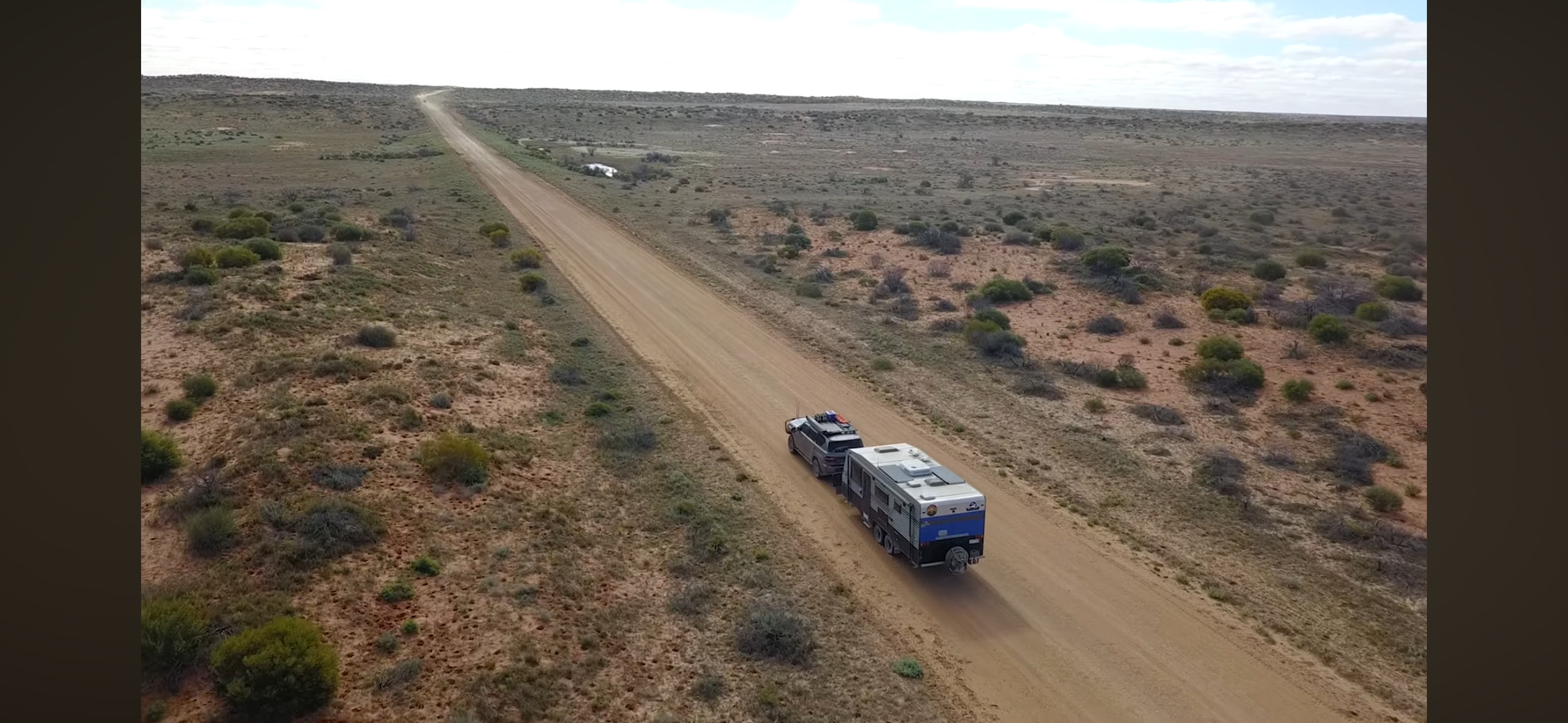
Our Y62 has a 4200kg GVM upgrade, and even with the additional capacity we're still conscious of weight.
The same applies to the caravan.
Every tool, chair, appliance, recovery item and container of water adds something.
Payload disappears surprisingly quickly.
We've learned to think about whether something is actually useful rather than simply whether it would be nice to have.
Good Gear Is Gear You Actually Use
We've got plenty of equipment in the Patrol and caravan.
Some of our favourite stuff isn't necessarily the most expensive.
Our Kings 12V oven gets used constantly.
The Bushman fridge just keeps running.
The Bushwakka awning gets opened because it's easy.
Our tyre gear gets used because pressures change depending on where we're driving.
The kids use their drink bottles every day.
That's what makes gear worthwhile to us.
Not how impressive the spec sheet looks.
Whether we actually reach for it.
Corrugations Find Everything
Drive enough corrugated roads and eventually something will make a noise it didn't make yesterday.
Bolts need checking.
Things move.
Cupboards need reorganising.
Anything that can rub against something else eventually will.
The Oodnadatta Track gave the Patrol, caravan and everything inside both a decent test.
Having tools on board and knowing where they are suddenly becomes considerably more important when you're nowhere near your shed.
Tyre Pressures Make a Massive Difference
We've become even more conscious of tyre pressures while travelling.
Highway pressure isn't automatically the right pressure once the bitumen disappears.
Dropping pressures appropriately on rough roads and corrugations improves the ride for us, the vehicle and everything we're carrying.
Then we air back up when we return to the highway.
Having deflators, onboard air and tyre-pressure monitoring makes the whole process easy enough that there's no reason not to do it properly.
Kids Don't Need Constant Entertainment
We probably thought we'd need to keep Chad and Quin entertained much more than we actually do.
Give them some space and they'll usually work something out.
They make friends at caravan parks.
Ride scooters.
Play games.
Explore around camp.
Talk to birds.
Apparently a cockatoo saying "Peek-a-Boo" can provide more entertainment than half the things we deliberately paid to visit.
We've stopped feeling like every day needs an organised activity.
Free Doesn't Mean Worse
Some of our cheapest stays have been some of the most enjoyable.
A free camp beside a river can beat a packed caravan park.
A roadside camp can be exactly what we need between destinations.
And sometimes spending nothing gives you more space and quiet than spending $70 for a powered site.
We still enjoy caravan parks.
We've just learned that price and experience aren't necessarily connected.
The Plan Will Change
This was always going to happen.
Weather changes.
Road conditions change.
You hear about somewhere from another traveller.
The kids want another day somewhere.
You decide you can't be bothered moving.
That's okay.
One of the main reasons we wanted to travel this way was freedom.
There'd be little point selling the house and leaving our old routine behind only to replace it with an itinerary we're scared to change.
Normal Life Comes With You
Travelling full-time doesn't remove the boring stuff.
There's still washing.
Groceries.
Cleaning.
School.
Maintenance.
Bills.
Cooking.
The caravan toilet certainly doesn't empty itself.
The difference is that once those jobs are finished, we might be exploring the Flinders Ranges instead of mowing the lawn.
We'll take that trade.
The Kids Will Remember Different Things
We might be impressed by an enormous landscape.
The kids might remember the lizard they fed.
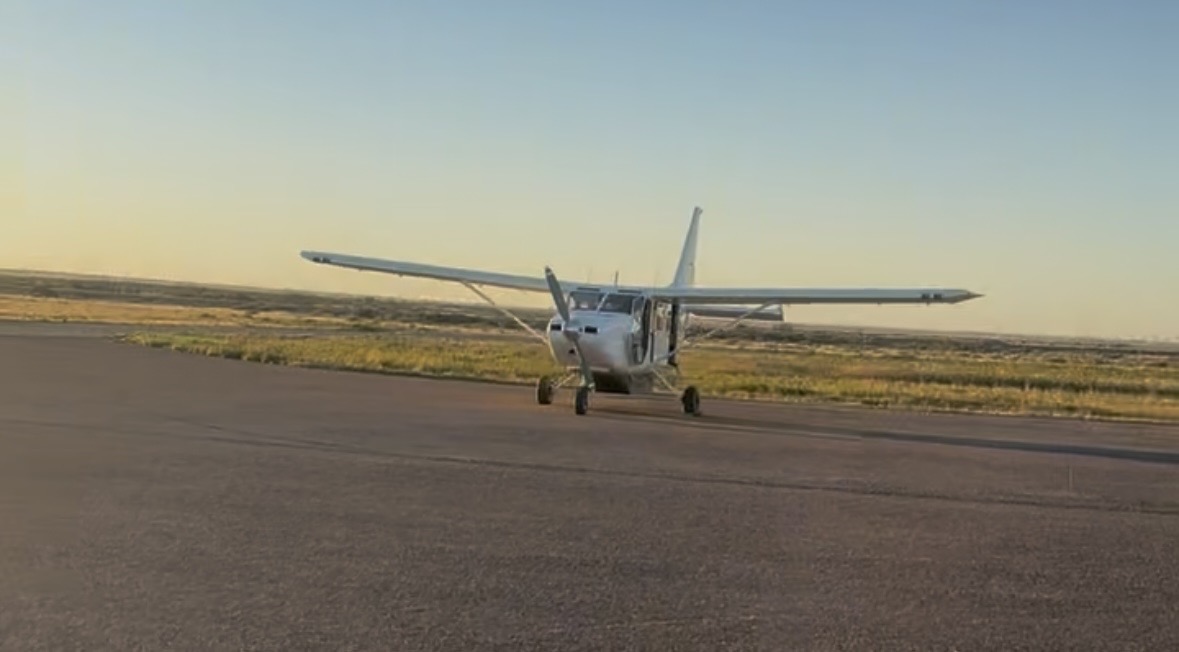
We might think flying over Lake Eyre will unquestionably be the highlight.
They might spend the next three days talking about a bird.
That's fine.
This is their lap too.
We don't need them to appreciate every experience in exactly the same way we do.
We Knew What Was Coming With Us
We'd been camping, caravanning and 4WDing long enough before starting the lap to have a pretty good idea of what we'd actually use.
When we packed up for full-time travel, the rule was fairly simple: if it wasn't coming in the caravan, it was getting stored.
That made us think properly about what deserved the limited space we had.
We still carry plenty of gear, but most of it has a purpose. Tools, recovery gear, spare parts and emergency gear might sit untouched for months, but that's exactly the stuff we're happy to carry and hopefully never need.
For everything else, if we couldn't see ourselves actually using it while travelling, there wasn't much point dragging it around Australia.
Living in a caravan doesn't mean going without — it just makes you a lot more aware of how much stuff you really need.
We're Glad We Went
That's the biggest lesson.
There were plenty of reasons we could have delayed the trip.
Another year of work.
Another school year.
Another reason the timing wasn't perfect.
Five thousand kilometres later, we're glad we stopped waiting.
We don't know what the next 5,000 kilometres will look like.
That's kind of the point.
There are still roads we haven't driven, places we've never seen and a ridiculous amount of Australia ahead of us.
So we'll keep moving.
Maybe a little slower than when we started.
And probably carrying slightly less stuff.
— All 4 Good Wins