Remote / Outback
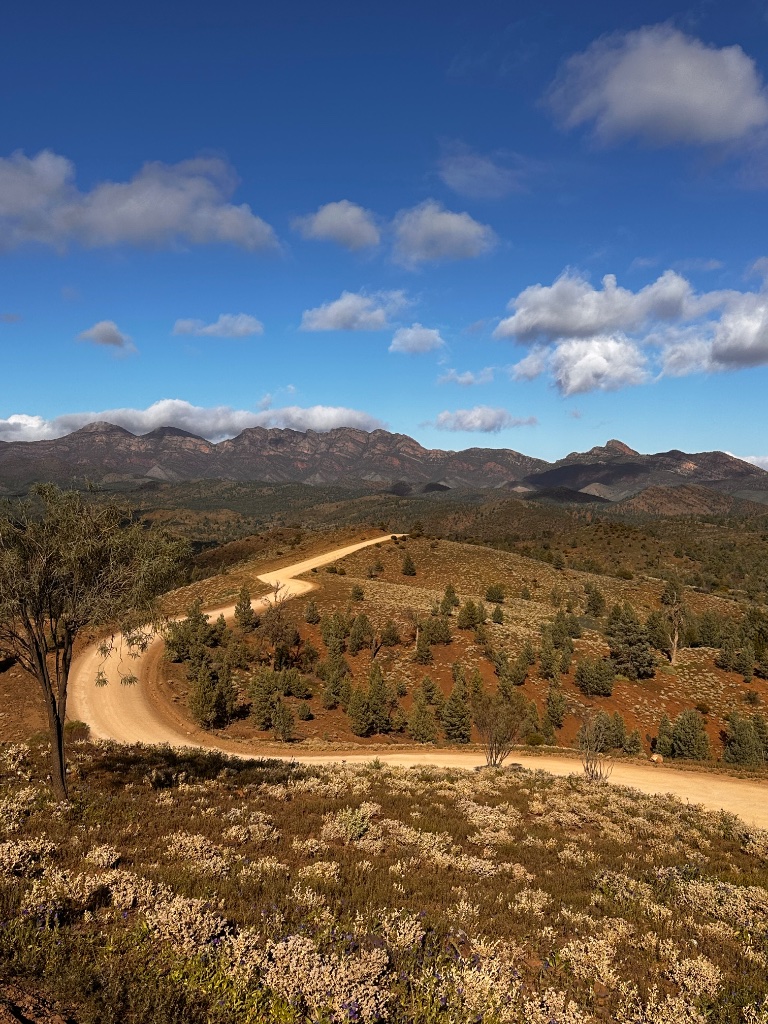
Deep into Australia’s red heart
Some of the best parts of our lap have been well away from the highways — long stretches of dirt, tiny outback towns, station stays and places where the next fuel stop actually matters.
This section follows our travels through remote Australia, sharing the tracks we’ve driven, the places we’ve stayed and what we’ve learned along the way.
Flinders Ranges
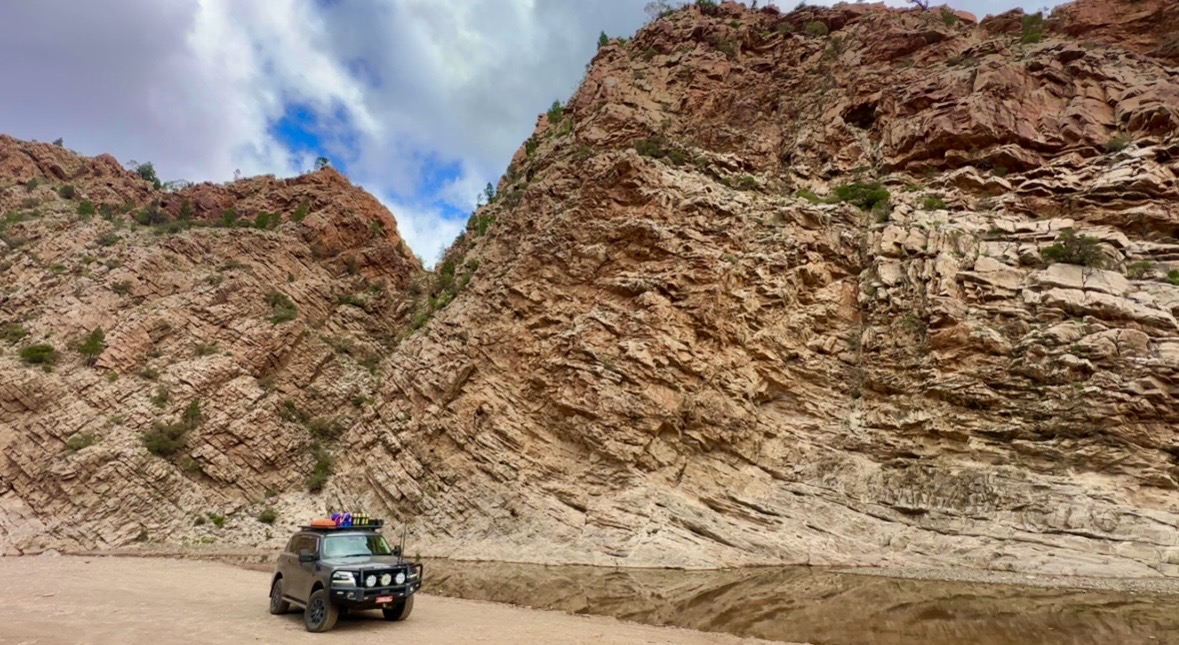
Station stays, 4WD tracks & ancient landscapes
Our time in the Flinders Ranges included four nights at Willow Springs Station, driving Skytrek in the Y62 and exploring Bunyeroo and Brachina Gorge. It gave us some of the best 4WDing, station country and scenery of the trip so far.
Oodnadatta Track
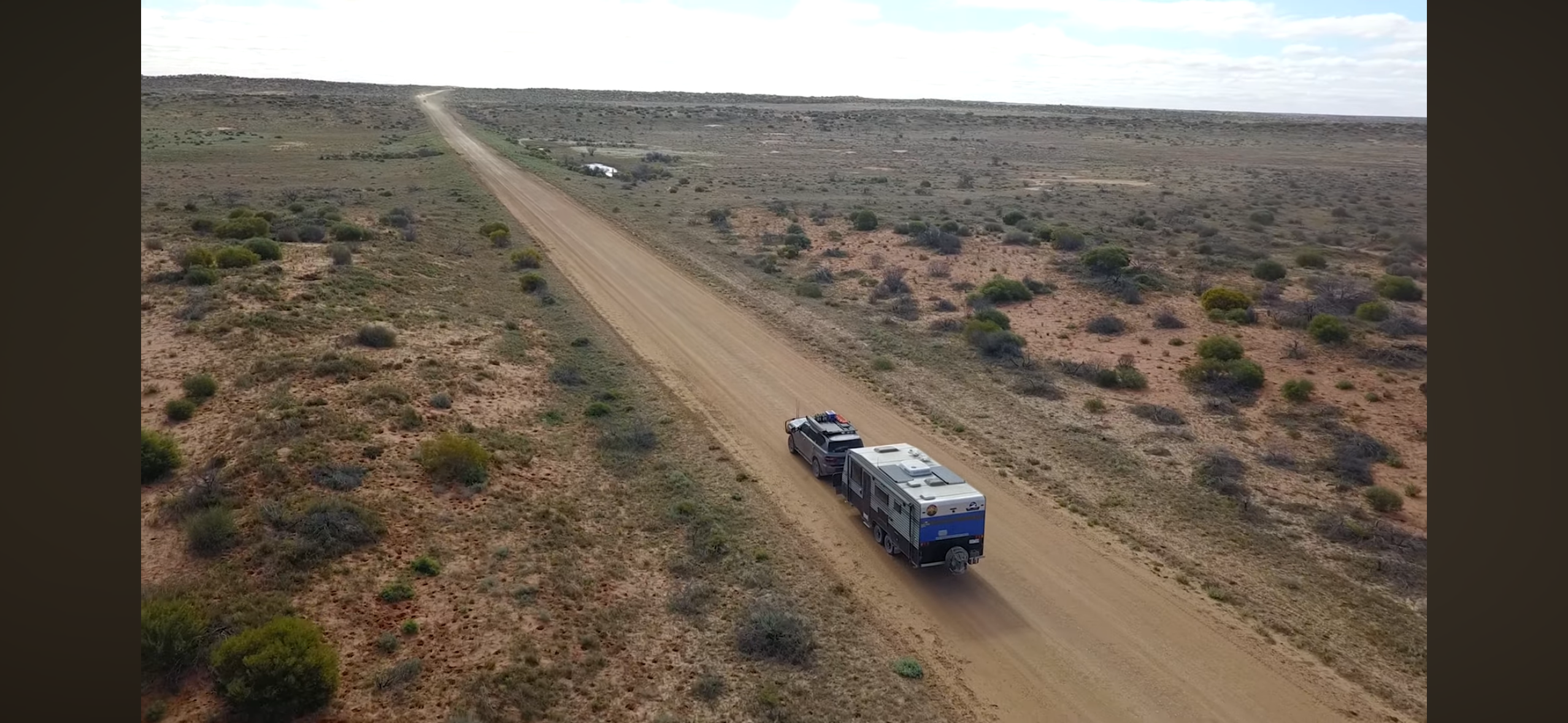
Farina → Marree → William Creek
We headed north through Farina and Marree before taking on the Oodnadatta Track towards William Creek. Long stretches of dirt, old railway history, remote towns and plenty of outback country made this one of the first sections of the trip that really felt remote.
Kati Thanda–Lake Eyre
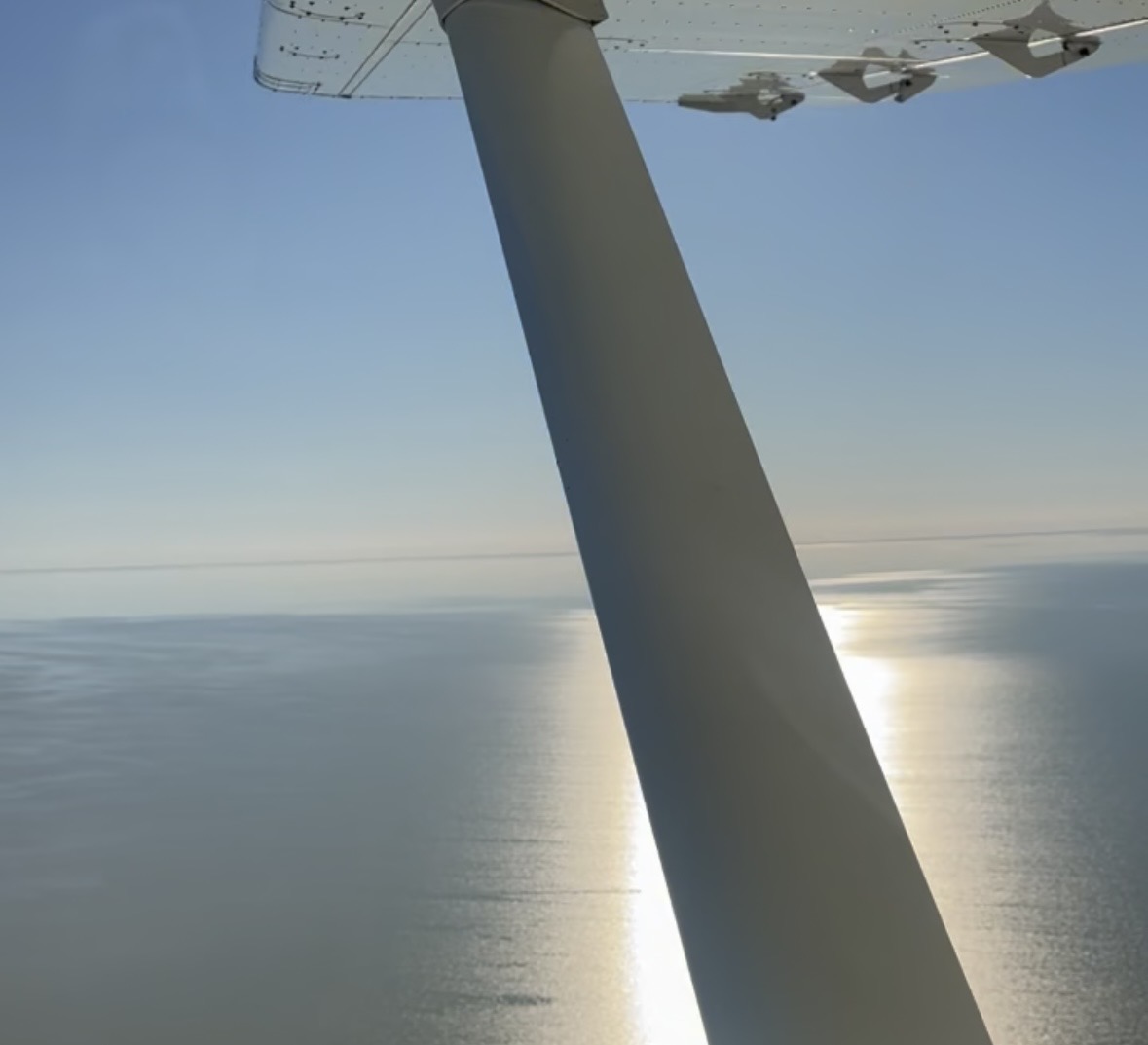
Seeing Australia’s largest salt lake from the air
While staying at Marree, we took a scenic flight over Kati Thanda–Lake Eyre while it was holding an incredible amount of water. Seeing it from the air gave us a completely different perspective on just how massive this part of Australia is.
William Creek
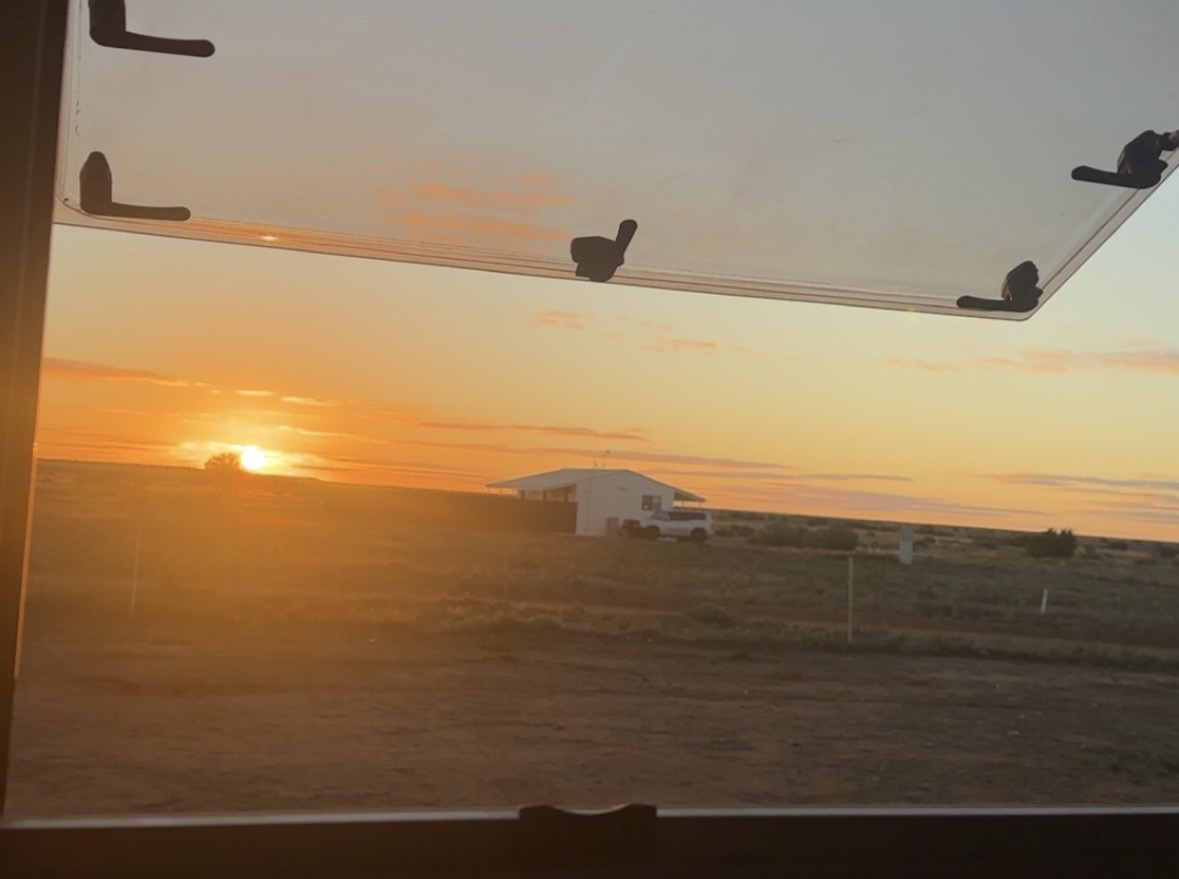
A tiny town in a very big backyard
William Creek was one of those places that really made us feel like we’d reached the outback. We stayed at the campground, had a meal at the pub and experienced one of Australia’s smallest and most isolated towns.
The Red Centre
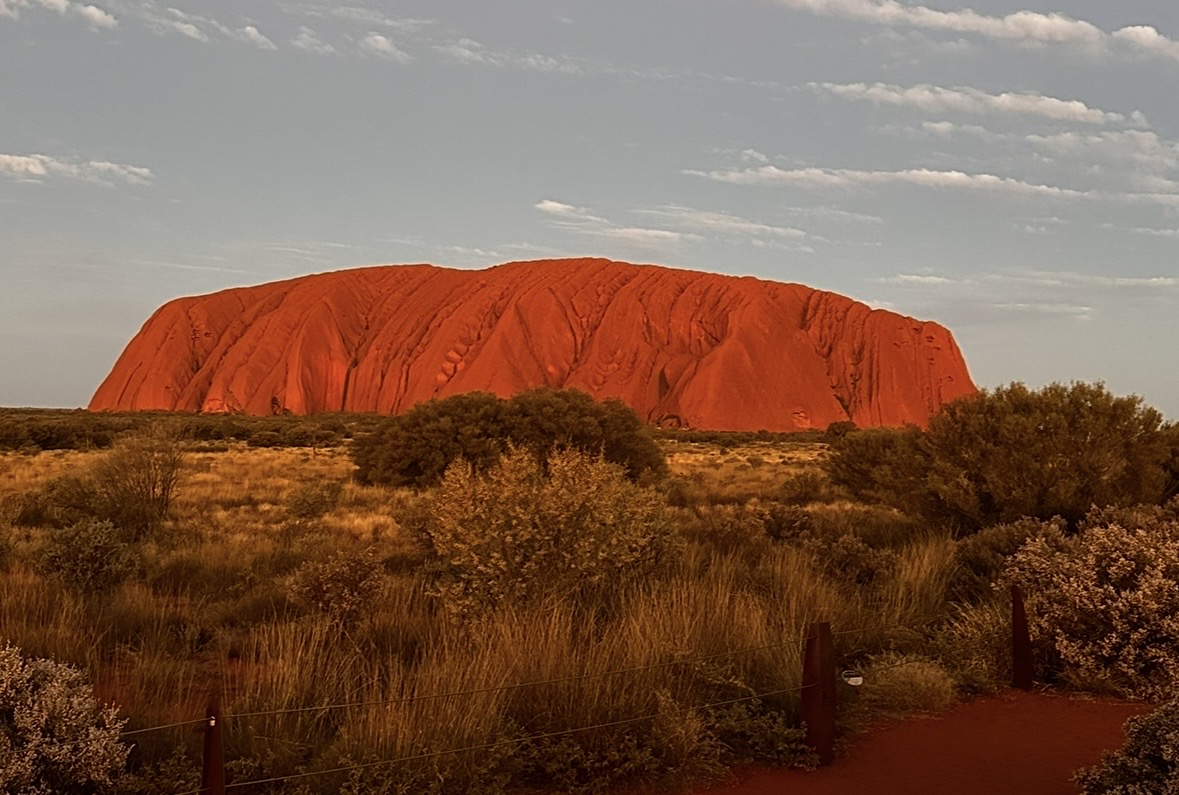
Into the heart of Australia
Our journey continued through the Red Centre, including stops at Curtin Springs, Uluru and Kings Canyon. This is a section we’ll keep updating and expanding as our travels through Central Australia continue.
Tracks & Road Conditions
Finding the Right Speed on Corrugations
Sometimes going too slowly means you feel every single corrugation. Increase the speed slightly and the vehicle can start travelling across them much more comfortably.
The trick is finding that comfortable point where the Patrol and caravan settle down while you’re still travelling safely for the conditions.
That speed isn’t always the same. Corrugations change, road surfaces change and conditions can be completely different from one section to the next.
For us, it’s about finding the right balance rather than deciding beforehand that we’re going to sit on a particular speed.
Right speed, right tyre pressures and drive to the conditions.
Tyre Pressures Make a Huge Difference
Speed is only part of the equation.
Getting the tyre pressures right makes an enormous difference on corrugations and rough dirt roads.
We adjust our pressures to suit the conditions rather than leaving everything at highway pressures. Combined with finding the right travelling speed, it can completely change how the Patrol and caravan behave over corrugations.
Our onboard ARB compressor with Pressure Control makes this easy. We can adjust pressures when we hit the dirt, then air everything back up when we’re returning to the bitumen.
We’ve found there’s no magic pressure or speed that works everywhere.
It’s getting the combination right for the road you’re actually driving.
Road Conditions Can Change Quickly
Someone telling you a road is in great condition doesn’t necessarily mean it’ll be the same when you get there.
Traffic, weather and grading can all change an outback road.
One section can be smooth and easy travelling, then suddenly you’re back into corrugations, loose surfaces, washouts or rougher sections.
We take reports from other travellers as useful information, but ultimately we drive what’s in front of us.
Check Road Conditions Before You Leave
In remote areas, rain can completely change the plan.
We check current road conditions and closures before heading off rather than assuming a road will be open because somebody travelled it a few days earlier.
If a road is officially closed, it’s closed.
There’s enough country out here to explore without creating problems for ourselves or damaging roads because we decided the rules didn’t apply to us.
Corrugations Will Find Anything Loose
Corrugations are very good at finding the weak point in a setup.
Bolts, brackets, mounts, cupboards and everything you’re carrying are being subjected to constant vibration.
We’ve learned to regularly look over the Patrol, caravan and mounted equipment when we’ve been travelling rough roads.
A quick check at camp can catch something that’s starting to move before it turns into a bigger problem.
Navigation Apps Are Tools, Not Gospel
We use apps including Newtracs and Gaia GPS for navigation and exploring tracks, and they’re incredibly useful.
But we don’t blindly follow a line on a screen.
A mapped track doesn’t tell you exactly what condition it’s in today, what the weather has done to it or whether it’s suitable for what you’re towing.
Apps help us plan and navigate.
The conditions in front of us still make the final decision.
Turning Around Is Always an Option
We’ve got a capable 4WD and plenty of recovery gear, but that doesn’t mean we need to prove anything.
If conditions aren’t right, there’s nothing wrong with turning around.
We’re travelling with our family and, a lot of the time, towing our home behind us.
Getting everyone and everything there safely matters considerably more than being able to say we drove a particular road.
Fuel & Distances
Fill Up When It Makes Sense
Fuel planning becomes much more important once the distances between towns start getting serious.
We don’t assume there’ll always be another servo around the corner.
If we’re somewhere remote with fuel available, we look at where we’re heading next and make the call from there.
Remote fuel can be expensive, but running out would be considerably more inconvenient.
Know Your Real Towing Range
The advertised fuel economy of a vehicle isn’t particularly useful when you’re towing a caravan through the outback.
Our Y62 is towing our Great Escape and carrying our complete touring setup, so we plan around what the Patrol actually uses when we’re travelling, not an ideal figure.
Headwinds, road surfaces, speed and terrain can all make a noticeable difference.
We’d rather build some margin into our calculations than plan to roll into the next fuel stop on fumes.
Distances Can Be Deceptive
The next town on an outback map can look reasonably close.
Then you check the distance.
There’s simply not much between some places, which can make the map deceptive.
We’ve learned to look at the actual kilometres, road conditions and likely travel time rather than assuming the next marked town means the next nearby town.
Dirt Kilometres Aren’t Highway Kilometres
A few hundred kilometres on a good highway and the same distance on an outback dirt road can be two completely different travel days.
There are changing road conditions, pressure adjustments, stops, sightseeing and checks along the way.
We try not to cram too much into a day simply because the distance doesn’t look enormous on paper.
PetrolSpy Is Handy
We regularly use PetrolSpy to check fuel locations and prices.
It’s particularly handy when deciding where we want to fill up along a route.
In more remote areas, we still like to make sure the information is current and that the fuel stop we’re relying on is actually operating.
Don’t Plan to Arrive Empty
If our calculations suggest we’re going to arrive at the next fuel stop with almost nothing remaining, we don’t consider that a particularly good plan.
Conditions change.
A headwind can increase consumption.
We might take a detour.
Road conditions might require more fuel than expected.
Having a sensible reserve gives us room for the unexpected.
Camping & Station Stays
Station Stays Have Been Fantastic
Willow Springs Station in the Flinders Ranges was a standout for us.
We stayed for four nights and could easily go back.
The facilities were excellent, the kids loved the animals and wildlife around the property, and having Skytrek right there gave us one of our favourite 4WD experiences.
Station stays give you something different from a standard caravan park, and we’ll definitely be looking for more as we travel.
Stay Longer Somewhere Good
Four nights can sound like plenty when you’re planning a trip from home.
Then you get somewhere like the Flinders Ranges and realise you’ve barely scratched the surface.
We’re learning that if we really like somewhere, we’d rather give ourselves time to enjoy it than leave simply because an itinerary says we’re supposed to.
There will always be another destination.
Free Camping Can Be Excellent
We’ve had some great free camps while travelling.
Being self-contained gives us the flexibility to pull up somewhere without needing power, amenities and a full caravan park every night.
It also helps keep the cost of travelling down.
But some of our free camps have been memorable simply because they were great places to stay.
Sometimes simple is better.
Not Every Camp Has to Be a Destination
Some camps are somewhere we want to spend several days.
Others are somewhere to pull up, cook dinner, sleep and continue travelling the following morning.
Both have their place.
We don’t need every overnight stop to have a massive list of attractions.
Sometimes all we need is somewhere suitable to park our home.
Good Facilities Become Very Appealing
When you’re travelling full-time, the occasional place with excellent facilities becomes very welcome.
Long showers.
Washing machines.
Water.
A chance to catch up on everything.
They’re not exactly the glamorous side of travelling Australia, but when the caravan is your home, those practical things matter.
The Kids Judge Camps Differently
We might remember a camp because of the scenery.
The kids might remember it because they fed a lizard.
Or found chickens.
Or met another bunch of travelling kids.
Or spent two days talking to a cockatoo called Peek-a-Boo.
We’ve learned that what makes somewhere memorable for us isn’t necessarily what makes it memorable for them.
And that’s part of the fun.
Other Travellers Are a Great Source of Information
Talking to people coming from the direction we’re heading can be incredibly useful.
They’ve often just driven the road we’re about to take.
They can tell us what the corrugations are like, where they stayed, where they found fuel and whether something along the way was worth stopping for.
Conditions change, so recent information from someone who’s actually been there can be extremely valuable.
We Like Keeping Some Flexibility
We don’t want every night of the trip booked months ahead.
There are obviously places and busy periods where booking makes sense, but one of the reasons we’re travelling full-time is having the freedom to change things.
If we love somewhere, we want the option to stay.
If something isn’t what we expected, we want the option to move.
Our Setup
Build a Touring Vehicle Around How You Actually Travel
Our Y62 has been built around the way we actually use it.
We’ve got our fridge, water, tools, recovery gear, onboard air, awning, drawers, communications, navigation and electrical setup.
Every bit of space and weight matters.
Travelling remotely has reinforced that we’d rather carry gear we genuinely use than something that looks impressive sitting on the vehicle.
Our Onboard Air Setup Gets Used
Our ARB compressor with Pressure Control has been incredibly handy.
We regularly adjust pressures when moving between bitumen, dirt roads and 4WD tracks.
Being able to use the app, set a target PSI and have the system inflate or deflate to that pressure takes a lot of the stuffing around out of pressure changes.
Paired with our ARB 7m hose and tyre gauge, it’s become a normal part of our touring setup.
TPMS Is Worth Having
We run the iCheck TPMS across all five caravan tyres, monitoring both pressure and temperature.
When you’re towing for hours through remote country, being able to see what’s happening with the caravan tyres while you’re driving gives us extra peace of mind.
It doesn’t replace physically checking tyres, but it gives us another opportunity to notice a change early.
Carry Tools You Can Actually Use
We carry a pretty comprehensive tool setup in the Patrol.
We’ve got seven different Kincrome kits organised into our drawer, along with Milwaukee power tools and other gear.
Sockets, Torx bits, Allen keys, ratchet spanners and plenty more are always easily accessible.
We’re not trying to carry an entire workshop.
We just want enough equipment to deal with the sorts of things we’re realistically capable of fixing or adjusting ourselves.
Recovery Gear Isn’t Just for Difficult 4WD Tracks
We carry four MAXTRAX, a winch and our other recovery equipment whether we’re heading out specifically to 4WD or simply travelling remotely.
Conditions can change.
Sand, mud and rough roads don’t care whether you planned on getting stuck that day.
Recovery gear is one of those things we’re perfectly happy carrying around Australia and never needing.
Having Water in the Patrol Is Brilliant
We carry 50 litres of water with a pump in the Y62, separate from the caravan supply.
That’s extremely handy when we’re away from the van exploring for the day.
We’re carrying drinking water with us regardless, but having a dedicated vehicle water setup means we’ve always got a useful supply available when we’re out.
A Proper Fridge in the 4WD Gets Used Constantly
Our Bushman 85L fridge in the Patrol has been running continuously for years.
Travelling Australia has only made it more useful.
Food, drinks and lunches are always there.
We can spend the entire day exploring without needing to plan around finding somewhere to buy food.
Open the back of the Patrol and we’ve got what we need.
Communications Need More Than One Option
Mobile reception can disappear quickly in remote Australia.
We’ve built our setup around having different communication and connectivity options rather than relying on a single system.
Between our UHF, Cel-Fi and Starlink, we’ve got different options depending on where we are and what we need.
Nothing guarantees reception everywhere, but having alternatives makes remote travel considerably easier.
Starlink Has Been Fantastic for Full-Time Travel
Starlink has made a huge difference to the way we can travel.
We’re roadschooling the kids, running the website, uploading content and doing all the other things that still require an internet connection while we’re travelling.
Being somewhere remote doesn’t automatically mean we can’t get online.
For the way we’re travelling, it’s become a really useful part of the setup.
Know What Your Setup Actually Weighs
Our Y62 has a 4200kg GVM upgrade, but that doesn’t mean we can throw anything we want into it.
Water weighs something.
Tools weigh something.
Recovery gear, fridge, drawers, awning and everything else all eat into payload.
Then you’ve got tow-ball weight and axle limits to consider.
We’ve learned that understanding what your setup actually weighs when loaded for travel is far more useful than relying on brochure figures.
Tape Up Before the Dust Starts
Before heading onto long dusty sections, we taped up what we could to help keep dust out.
Any obvious areas we didn’t need open were sealed before we hit the dirt.
It definitely helped.
Fine outback dust is incredibly good at finding gaps, so you’re probably never going to stop every bit of it.
But spending a little time preparing beforehand is much easier than trying to clean red dust out of everything afterwards.
Redundancy Is Worth It for Important Equipment
We don’t carry two of absolutely everything, but we like having another option for important systems.
We’ve got onboard air but still carry other tyre equipment.
We’ve got our main vehicle electrical setup but also carry the GOOLOO GT4000S, which we’ve already had to use.
We’ve got multiple navigation options rather than relying on one app.
Remote travel has made us think more about a simple question:
What do we do if this stops working?
The Best Gear Is What We Actually Use
Some of the gear we’ve found most useful isn’t necessarily the most expensive thing fitted to the vehicle.
Our Bushman fridge gets used constantly.
The Kings 12V oven cooks meals while we’re driving or out exploring.
The ARB compressor gets used when pressures change.
The iCheck TPMS watches the caravan tyres.
Starlink keeps us connected.
Our tools are there when something needs attention.
That’s become our measure of good touring gear.
Does it actually make travelling easier?
If we’re constantly reaching for it, it’s earning the space and weight it takes up.
You’ll Keep Changing Your Setup
We spent a lot of time setting up the Patrol and caravan before we left.
Then we started travelling.
That’s when you really find out what works.
We’ve moved things around, worked out what we use constantly and discovered what could be better.
And we’ll probably keep doing that for the entire lap.
You can spend years designing the perfect touring setup in the driveway.
But we’ve learned that the best test of any setup is actually getting out there and using it.