Gummy Shark
Flake, Sweet William
Mustelus antarcticus
Overview
Gummy Sharks are a popular South Australian target, best known as the fish behind the fish-and-chips shop's 'flake'. They cruise beaches, gulf channels and offshore grounds looking for baits on the bottom, fight steadily rather than explosively, and are superb table fare.
Quick Info
Identification
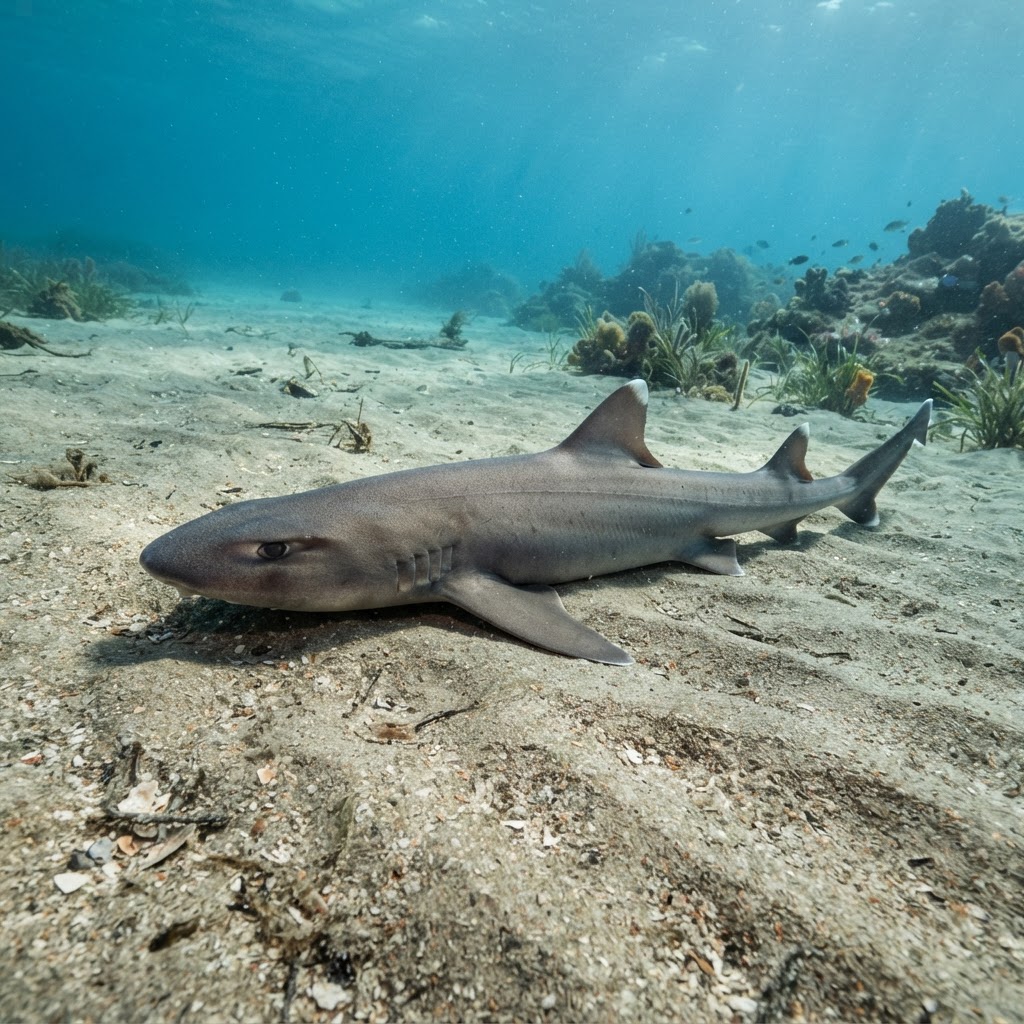
A slender, grey-bronze shark with a flat, blunt snout, small sharp teeth designed for crushing, and pointed fins. Gummy Sharks lack the sharp serrated teeth of larger sharks.
Flat, blunt snout, smooth grey-bronze body with faint white spots, and a gentle, almost gentle-mannered look. Fine, plate-like crushing teeth rather than serrated cutting teeth.
Bronze Whaler are larger with a pointed snout and more aggressive appearance; smaller shark species like school sharks have a more pointed snout and different dorsal fin spacing. Gummies are the most commonly caught smaller shark in SA.
Where to Find Them
Typical depth: 5-50 m
Fishing environments: Shore, Boat
When to Fish
How to Catch Them
Fish a heavier paternoster or running sinker rig with a fresh bait on the bottom over sand, channels and gutters. Soak the bait, keep the line tight and expect a steady weighty fight rather than explosive runs.
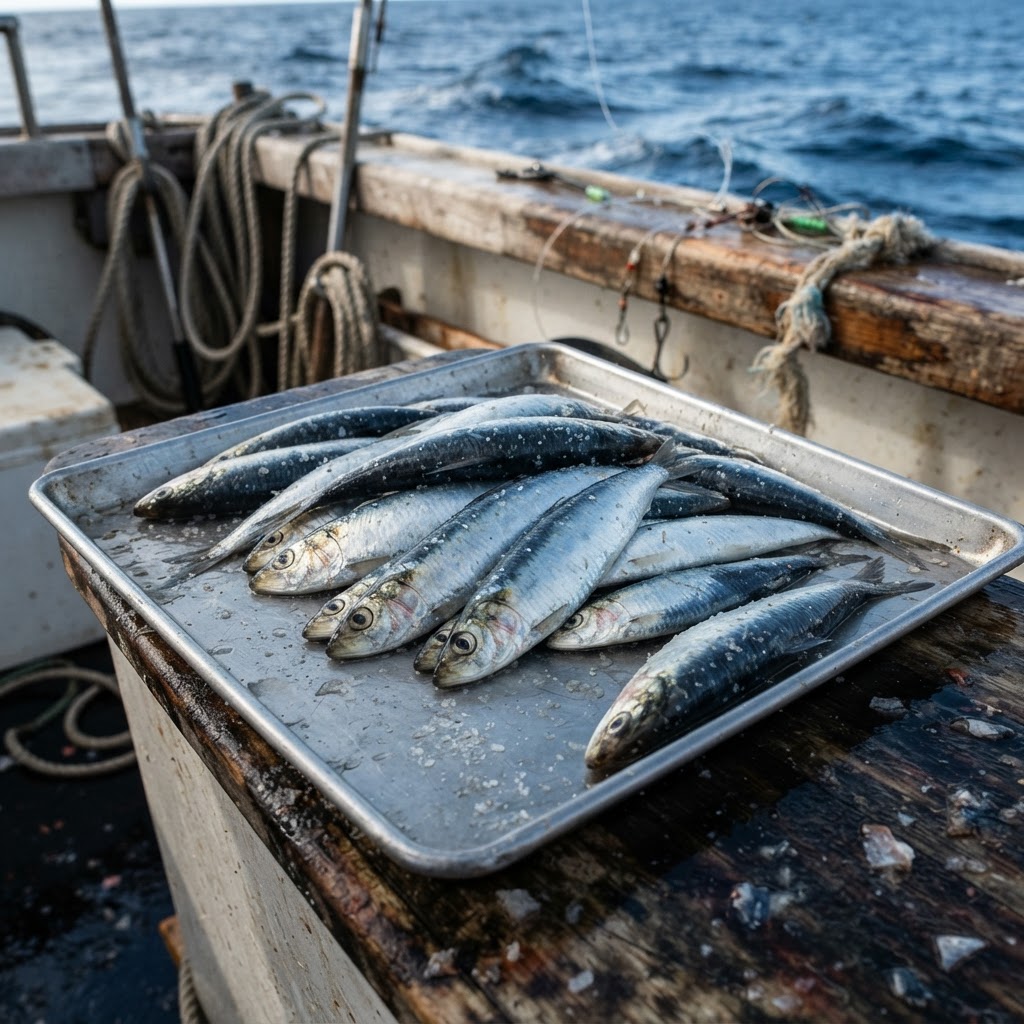
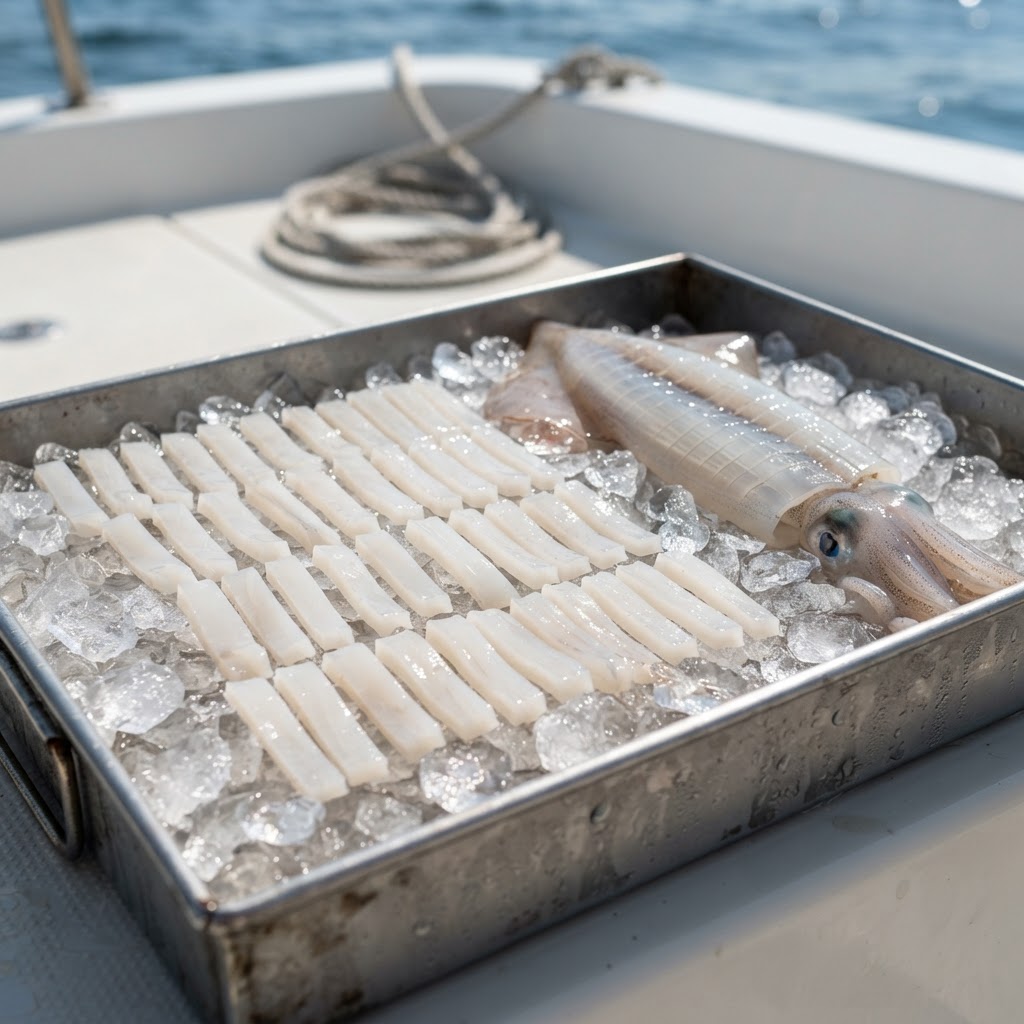
Fresh fillets of fish, squid or octopus on strong hooks; gummy baits need to be fresh and firmly secured — gummies crunch and slowly pull the bait apart.
Not required: gummy shark are taken on stationary bottom baits; keep the bait pinned on the seabed and wait for the steady pull.
A steady heavy weight loading the rod — gummies take the bait slowly and hold it; lift into the weight with a smooth firm strike.
Lift firmly once the rod loads steadily — gummies hold baits for a moment; a smooth firm strike sets the hook in their crushing mouths.
Fish fresh bait on the bottom over sand at night or dawn with a solid rig. Gummies come to berley slowly — patience matters more than rushing. They are often caught incidentally while targeting other species.
Using hooks and traces that are too light for gummies, leaving bait unattended for too long, and lifting large gummies from a boat by the line alone.
Best Baits
Rigs & Gear
The dedicated snapper rig — two snelled hooks on a long sliding leader with the sinker running free on the main line, so a suspicious red can mouth the bait and run without feeling any resistance.
A heavy-duty paternoster built for the surf — a star or grapnel sinker holds the bottom in the wash while one or two baits sit up off the sand in the gutter. The standard rig for salmon, mulloway and gummy sharks off South Australian beaches.
A versatile and highly effective rig for King George Whiting and many other species.
Current SA Fishing Rules
CURRENT SA FISHING RULES
Special limits and conditions apply in Gulf St Vincent & Kangaroo Island — see below.
Method: Total length (shark)
Measured at: Measured from the 5th gill slit to the base of the tail.
Always check current regulations before fishing. Fishing rules and closures can change.
Keeping Your Catch
Support the shark with both hands, keep it in the water if releasing, and avoid the sharp tail; handle smaller gummies under the belly with care.
If keeping a gummy, dispatch it firmly and bleed promptly before dressing.
Slush ice promptly — gummy flesh holds well when chilled and looks great in fillets.
Cleaning & Filleting
Cut off the head and tail and dress the shark into thick steaks or skin off fillets, removing the skin and cartilage frame.
Shark flesh is cartilage-framed — cut along the frame on both sides to remove long solid fillets; the skin should be removed.
Shark skin is rough and must be removed before cooking.
No true bones — a cartilage skeleton. Once filleted, gummy flesh is completely bone-free.
Cooking
The classic fish-and-chips flake. Firm white flesh is beautiful dusted in seasoned flour and deep-fried, or lightly grilled with a knob of butter.
Where to Catch Them in SA
"The Port" is South Australia's southernmost town and a serious fishing base - the jetty and rock wall produce salmon and garfish, the beaches produce mulloway and gummy sharks, and offshore boat grounds hold snapper and reef fish (South East zone snapper limits apply).
Carpenter Rocks is wild surf country - its long beach produces Australian salmon and mulloway, with gummy sharks after dark.
Robe is a famous southern beach-fishing town - Long Beach and the surrounding surf produce salmon and mulloway, the jetty offers garfish and tommy ruff, and gummy sharks patrol the beaches at night.
Cactus Beach is one of South Australia's most famous surf-fishing beaches - long, wild gutters producing Australian salmon and mulloway, with gummy sharks on fresh baits.
Best here: Summer - Autumn
Best here: Summer - Autumn
Kingston SE fishes the wild Southern Ocean coast - Australian salmon and mulloway from the beaches, garfish and tommy ruff from the jetty, with gummy sharks on fresh baits after dark.
Penong is the gateway to the remote western surf beaches, with Cactus Beach nearby - open-coast country for Australian salmon, mulloway and gummy sharks.
Fowlers Bay is a remote surf and jetty destination - the long ocean beach produces Australian salmon and mulloway, while the sheltered bay and jetty offer whiting and tommy ruff.

A4GW CREW
Get the good stuff from A4GW straight to your inbox.
No spam. Unsubscribe anytime.